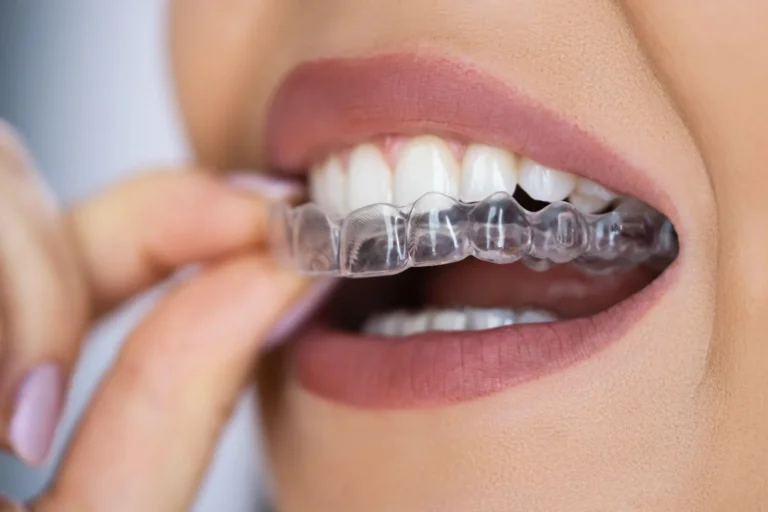




Selecting the ideal partner to manufacture custom prosthetics and appliances is one of the most critical decisions facing any modern practitioner. The seamless production of restorative units, such as crowns, bridges, surgical guides, and clear aligners, depends heavily on the technological infrastructure and technical expertise of the facility handling your digital design files. Modern dentistry has experienced a massive shift away from conventional, manual stone models and lost-wax casting methods. Instead, practices are turning to additive manufacturing and advanced computer-aided design to elevate accuracy, reduce chairside adjustment times, and improve overall patient satisfaction. Identifying a facility capable of meeting your precise clinical standards requires a thorough assessment of technical capabilities, material safety, quality management protocols, and collaborative communication.
The foundation of any successful clinical relationship with a facility lies in compatibility of workflow. Before establishing a commercial arrangement, you must determine whether the facility seamlessly supports open-format data files produced by your intraoral scanners. An advanced 3D dental processing laboratory must possess state-of-the-art additive manufacturing units and precision multi-axis milling machines capable of translating optical surface data into physical prosthetics without loss of marginal fidelity. Inquiring directly about the specific mechanical hardware, light-curing apparatuses, and resin systems utilised by the laboratory will reveal whether they are truly focused on modern digital workflows. Facilities that invest heavily in modern 3D dental hardware demonstrate a clear commitment to consistent output, reducing the likelihood of ill-fitting units that lead to frustrating remake cycles and lost surgery time.
Material selection and regulatory compliance form another core pillar of evaluation. The biological safety and long-term durability of restorations depend entirely on the grade of biocompatible resins, ceramics, and metal alloys processed by the manufacturing team. A reputable 3D dental technician should readily offer transparent documentation detailing the origin, composition, and safety certification of every resin batch or ceramic block used in production. In addition to verified material sourcing, you must confirm that the facility adheres strictly to local regulatory frameworks and maintains accredited quality control systems. Proper registration of medical device manufacturers guarantees that sanitation, material handling, cross-contamination prevention, and full lot-number traceability are maintained across every single restoration dispatched to your practice.
Technical expertise among the facility’s team members is just as vital as the sophistication of their machinery. While automated printing and milling units handle physical fabrication, experienced technicians are essential for initial digital file preparation, margin line ditching, virtual occlusion design, and delicate aesthetic hand-finishing. When evaluating a potential manufacturing facility, ask about the ongoing professional development and formal certifications of their staff. Technicians who possess deep knowledge of natural tooth morphology, occlusal scheme dynamics, and material science are better equipped to review digital scans critically before production begins. A skilled technician using a 3D dental design software package will catch subtle scan distortions or inadequate clearance issues prior to printing, saving your practice valuable time and preventing fitting errors chairside.
Turnaround times and delivery reliability directly impact your patient appointment scheduling and clinic efficiency. Additive manufacturing allows for rapid production cycles, but the total turnaround time depends on the lab’s operational organisation, staffing levels, and logistics protocols. Discuss normal case turnaround parameters in detail, including standard delivery timeframes for single-unit crowns, multi-unit bridges, surgical templates, and nightguards. It is also wise to inquire about emergency protocols for urgent cases or post-treatment adjustments. A reliable 3D dental production facility should offer clear digital tracking tools, allowing your administrative staff to monitor the live status of an order from initial file upload through printing, post-curing, hand-staining, quality inspection, and dispatch.
Effective communication and collaborative case planning serve as the final bridge between clinical vision and physical reality. Unlike traditional postal workflows where an impression tray is sent off with a handwritten prescription slip, modern digital workflows thrive on direct, real-time collaboration. The best manufacturing facilities provide direct access to design technicians via phone, secure instant messaging platforms, or integrated web portals. This level of access ensures that high-definition clinical photographs, shade mapping, and customised characterisation requests can be reviewed collaboratively before final printing or milling. Choosing a 3D dental partner that values open dialogue ensures that complex cases, such as full-arch reconstructions or challenging anterior cosmetic work, are executed with precision and tailored to your clinical preferences.
Financial structure and total value must also be weighed carefully against production quality. Selecting a facility based purely on the lowest price list often results in higher remake rates, poor shade matching, and frequent clinical adjustments, ultimately costing your clinic far more in lost appointment time and patient dissatisfaction. Request an itemised fee schedule that clearly outlines base fabrication costs, model printing charges, material choices, and any potential fees for rush cases or complex digital design modifications. Transparent pricing structures demonstrate professional integrity and allow you to budget accurately for laboratory overheads. Ultimately, investing time to vet facilities based on technology, materials, technician skill, turnarounds, and communication yields a rewarding, long-term partnership that elevates your clinic’s restorative outcomes.