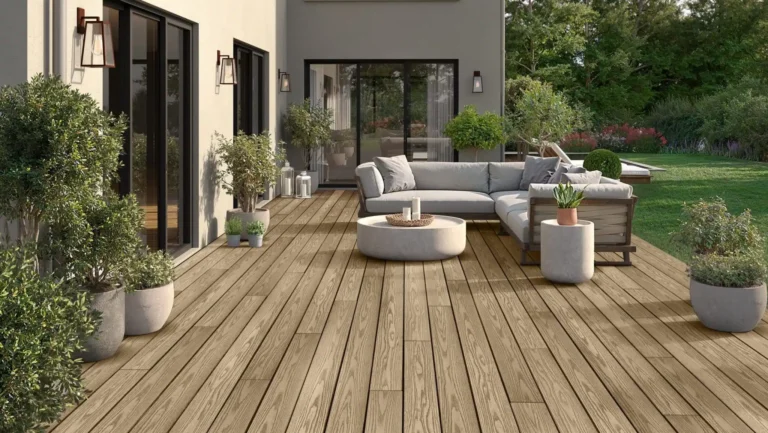






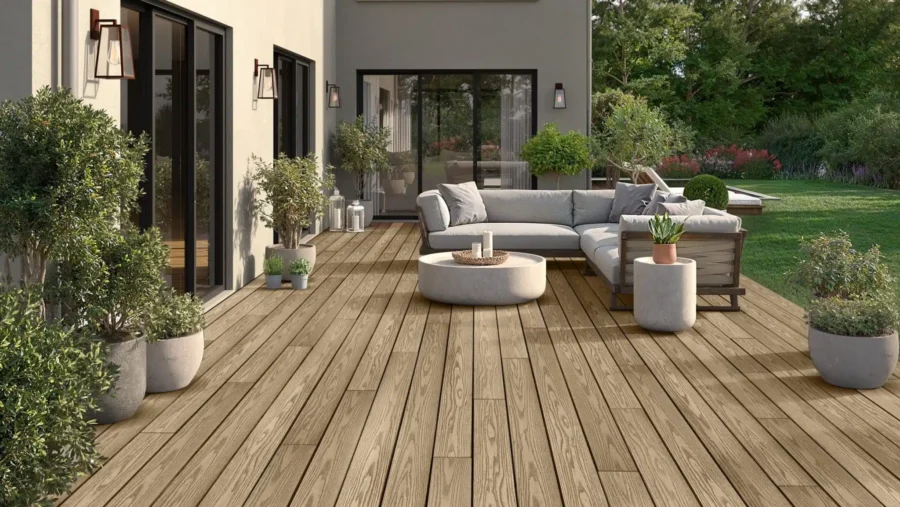
Creating a stylish and functional outdoor living area often starts with the right decking choice, and composite decking has become a popular option for homeowners seeking a balance of durability and low maintenance. Unlike traditional timber, composite decking is engineered to resist rot, splintering and fading, making it an appealing choice for gardens that see regular use. Whether you’re considering a small patio extension or a full terrace, understanding the practical considerations before installation can save time, effort and unexpected costs further down the line.
Before committing to a particular design, it’s worth reflecting on how you intend to use the space. Will it primarily serve as a dining area, a quiet seating spot or a multi-functional zone for entertaining? The intended purpose will influence the size, shape and layout of your decking, as well as the choice of accessories such as planters, lighting or built-in benches. A well-planned deck can seamlessly blend with your garden’s existing features, enhancing its natural beauty while providing a practical surface for everyday activities.
When selecting materials, composite decking offers several advantages over traditional timber. It requires no annual sealing or painting, resists moisture damage and maintains its colour for longer, even in harsh weather conditions. These qualities make it particularly suitable for gardens exposed to rain, shade or heavy foot traffic. Additionally, composite decking is available in a range of finishes, from natural wood-like textures to sleek, contemporary styles, allowing you to match the material to your home’s aesthetic.
Preparation is key to a successful decking project, and this begins with assessing the ground conditions. Uneven or sloping surfaces may require levelling, while areas prone to water pooling could benefit from improved drainage solutions. If your garden has existing structures such as patios or pathways, consider how the new decking will integrate with these elements to create a cohesive flow. Taking the time to measure accurately and plan the layout will help avoid material wastage and ensure a professional-looking finish.
The choice of substructure is another important factor that can impact the longevity of your decking. Composite decking boards are typically installed over a framework of joists, which should be spaced correctly to support the boards and allow for proper ventilation. Using pressure-treated timber or composite joists can further enhance durability, particularly in damp or shaded areas. Investing in quality fixings and clips designed for composite decking will also prevent issues such as warping or lifting over time.
Once the structural work is complete, attention to detail during the finishing touches can elevate the overall appearance of your decking. Adding subtle lighting along the edges or beneath the boards can create a warm, inviting atmosphere for evening use, while planters or built-in seating can soften the look and integrate the space with the surrounding garden. If you’re working with a larger area, consider dividing the decking into zones to create distinct areas for different activities, such as dining, lounging or gardening.
Understanding the Benefits of Composite Decking over Traditional Timber
For many homeowners, the decision to choose composite decking over traditional timber comes down to its practical advantages. Unlike timber, which can warp, crack or require regular maintenance, composite decking is designed to withstand the elements with minimal upkeep. This makes it an ideal choice for gardens where time spent on maintenance is limited, or where the decking will be exposed to frequent use.
Another key benefit of composite decking is its resistance to moisture. Timber decking can absorb water, leading to swelling, rot and an increased risk of splintering, particularly in shaded or damp areas. Composite decking, on the other hand, is engineered to repel water, reducing the likelihood of damage and extending the lifespan of your outdoor space. This durability is particularly valuable in regions with unpredictable weather, where timber decking might require more frequent repairs or replacements.
The aesthetic versatility of composite decking is also worth considering. Modern manufacturing techniques allow for a wide range of colours, textures and finishes, from rich, natural wood tones to contemporary grey or charcoal hues. This variety makes it easier to find a product that complements your home’s exterior and garden design, whether you’re aiming for a rustic, traditional look or a sleek, modern aesthetic. Additionally, composite decking is available in different board widths and profiles, allowing for customisation to suit your specific design preferences.
Environmental considerations may also influence your choice of decking material. Many composite decking products are made from a blend of recycled wood fibres and plastic, offering a more sustainable alternative to traditional timber. This can be an important factor for homeowners looking to reduce their environmental impact without compromising on quality or style. By opting for composite decking, you can enjoy a beautiful outdoor space while contributing to a more sustainable future.
Planning Your Decking Layout: Practical Tips for a Functional Space
A well-designed decking layout can transform an ordinary garden into a versatile outdoor living area, but achieving this requires careful planning. Start by sketching a rough outline of the space, taking into account the garden’s natural features, such as trees, slopes or existing structures. Consider how the decking will connect to your home, whether through a patio door, pathway or garden gate, to ensure a seamless transition between indoor and outdoor areas.
When determining the size and shape of your decking, think about how the space will be used on a day-to-day basis. A small, rectangular deck might be ideal for a quiet seating area, while a larger, multi-level design could accommodate dining, lounging and entertaining zones. If your garden is particularly narrow, consider a diagonal layout to create the illusion of more space. Alternatively, a curved design can soften the edges of the decking and blend more naturally with the surrounding landscape.
The orientation of your decking can also impact its usability and comfort. In the UK, south-facing decks tend to receive the most sunlight, making them ideal for sunbathing or outdoor dining. However, they may also become uncomfortably hot during the summer months. North-facing decks, on the other hand, offer more consistent lighting and are less prone to overheating, but may feel cooler in the evenings. Consider the time of day you’re most likely to use the space and choose an orientation that maximises comfort and usability.
Accessibility is another important consideration, particularly if you have mobility issues or plan to use the decking for entertaining guests. Ensure there is adequate space for movement, with clear pathways between seating areas, doors and any built-in features such as planters or storage benches. If your garden has steps or slopes, consider incorporating handrails or gentle gradients to make the space more user-friendly. Thoughtful design can make your decking not only beautiful but also practical for everyone to enjoy.
Choosing the Right Substructure and Fixings for Long-Lasting Decking
The substructure of your decking plays a crucial role in its stability and longevity, so it’s important to choose the right materials and installation techniques. Composite decking boards are typically installed over a framework of joists, which should be spaced correctly to support the boards and allow for proper ventilation. Using pressure-treated timber or composite joists can enhance durability, particularly in damp or shaded areas where traditional timber might be prone to rot.
When selecting fixings and clips for your composite decking, opt for products specifically designed for use with composite materials. These fixings are engineered to accommodate the slight expansion and contraction that occurs with composite decking, preventing issues such as warping or lifting over time. Stainless steel or coated screws are also recommended to resist corrosion and maintain the appearance of your decking. Investing in high-quality fixings may require a slightly higher upfront cost, but it can save you time and money on repairs in the long run.
The height of your decking substructure is another factor to consider, as it can impact drainage and airflow beneath the boards. A minimum gap of 50mm between the decking and the ground is generally recommended to allow for ventilation and prevent moisture buildup. If your garden is prone to flooding or poor drainage, consider elevating the substructure further or incorporating a French drain to redirect water away from the decking area. Proper drainage is essential for preventing rot and ensuring the longevity of your outdoor space.
If your decking is being installed over a concrete patio or other hard surface, you may need to use a different type of substructure, such as adjustable pedestals or a sleeper system. These solutions allow for level adjustments and provide adequate ventilation beneath the decking. Alternatively, if your decking is being built on uneven ground, a raised substructure can help create a level surface while also adding visual interest to the design. Whatever substructure you choose, ensure it is installed correctly and meets local building regulations to avoid potential issues down the line.
Finishing Touches: Adding Character and Functionality to Your Decking
The final details of your decking project can make all the difference in creating a space that is both beautiful and functional. Adding built-in seating, such as benches or planter boxes, can provide additional storage while also softening the look of the decking. If you’re working with a larger area, consider dividing the space into distinct zones, such as a dining area, a lounge zone and a garden storage area, to create a more organised and inviting outdoor living space.
Lighting is another key element that can enhance the usability and ambiance of your decking. Solar-powered or low-voltage LED lights can be installed along the edges of the decking, beneath the boards or within planters to create a warm, inviting atmosphere for evening use. String lights or lanterns can also add a touch of charm and personality to your outdoor space, making it feel more like an extension of your home. When planning your lighting, consider both practicality and aesthetics to ensure the space is both functional and visually appealing.
Plants and greenery can also play a vital role in softening the look of your decking and integrating it with the surrounding garden. Climbing plants, such as clematis or honeysuckle, can be trained along trellises or pergolas to create a natural screen and add vertical interest. Potted plants or built-in planters can introduce colour and texture, while ground cover plants can help reduce maintenance by suppressing weeds. By incorporating greenery into your decking design, you can create a more cohesive and inviting outdoor space that feels connected to nature.
Finally, consider adding functional elements such as storage benches, outdoor rugs or weather-resistant cushions to make the space more comfortable and practical. If your decking is being used for dining, invest in a sturdy table and chairs that are designed for outdoor use. For lounging areas, outdoor sofas or hammocks can provide a cosy spot to relax and unwind. By thoughtfully selecting these finishing touches, you can create a decking area that not only looks great but also meets your everyday needs.
Maintenance Made Simple: Keeping Your Composite Decking in Top Condition
One of the biggest advantages of composite decking is its low maintenance requirements, but this doesn’t mean it requires no care at all. Regular cleaning is essential to keep your decking looking its best and to prevent the buildup of dirt, mould or mildew. A simple sweep with a stiff brush or a rinse with a garden hose can remove loose debris, while a mild detergent or specialised composite decking cleaner can tackle stubborn stains or discolouration.
Avoid using harsh chemicals or abrasive cleaning tools, as these can damage the surface of the decking and reduce its lifespan. Instead, opt for gentle, pH-neutral cleaners that are specifically designed for use with composite materials. If your decking is located beneath trees or in a shaded area, you may need to clean it more frequently to prevent the buildup of organic matter, such as fallen leaves or sap. Regular maintenance will not only keep your decking looking great but also ensure it remains safe and comfortable to use.
In addition to cleaning, it’s important to inspect your decking periodically for any signs of damage or wear. Check the fixings and clips to ensure they are secure and free from corrosion, and look for any cracks, splits or warping in the boards. If you notice any issues, address them promptly to prevent further damage and maintain the structural integrity of your decking. Composite decking is designed to be durable, but like any outdoor surface, it can be affected by extreme weather conditions or heavy use over time.
During the winter months, it’s a good idea to remove any snow or ice buildup from your decking to prevent damage and ensure safety. Avoid using metal shovels or sharp tools, as these can scratch or gouge the surface of the decking. Instead, use a plastic shovel or a broom to gently clear away snow, and avoid walking on the decking when it is wet or icy to prevent slips and falls. By taking these simple precautions, you can keep your composite decking in top condition year-round and enjoy its benefits for many years to come.
Composite decking offers a practical and stylish solution for homeowners looking to enhance their outdoor living spaces. By carefully planning your project, choosing the right materials and paying attention to the details, you can create a decking area that is both beautiful and functional. Whether you’re looking to create a cosy seating area, a stylish dining space or a versatile entertainment zone, composite decking provides the durability and low maintenance you need to enjoy your garden to the fullest.