




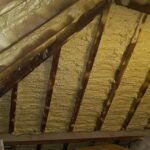

There has been a silent revolution going on inside the walls, floors, and roofs of homes all around Britain. The insulation board is at the center of a huge change in how we think about thermal performance, energy efficiency, and building that is good for the environment. This revolution has happened over the past 20 years. Homeowners and builders now rely on insulation boards UK, which were once thought to be a specialised solution designated for commercial or industrial structures. To understand why, you need to look more closely at what these boards do, how they work, and why the bigger picture of the economy and the environment has made them so important.
The Energy Crisis and the Need for Better Performance
It would be hard to overestimate how much higher energy costs have affected how British homeowners make decisions regarding their homes. For many families, heating expenses that used to be easy to pay have become a big financial problem. This has caused a lot of people to rethink how homes are built and modified, with thermal performance becoming the most important factor. As a direct result, insulation board suppliers in the UK have seen a huge increase in demand. Both new-build developers and renovation specialists now use rigid board insulation in their projects as a matter of course.
The appeal is clear: insulation boards UK have a high thermal resistance for their thickness. This is shown as a U-value, which tells you how much heat a material lets through. The better the insulation is, the lower the U-value. Whether they are made of polyisocyanurate, expanded polystyrene, or extruded polystyrene, rigid foam boards always get U-values that older materials like mineral wool would need far more thickness to match. In a country where wall cavities, floor voids, and roof gaps are frequently not very deep, this efficient use of space is not just nice to have; it’s necessary.
A Material That Works in Every Situation
One of the main reasons why builders and architects choose insulation boards UK over other solutions is because of their flexibility. Rigid boards keep their shape and effectiveness over time, unlike loose-fill or roll insulation, which can sag, shift, or soak up moisture. You can put them in floors under screed, in cavity walls, on the outside of a building as part of an external wall insulation system, in a warm flat roof, or between the rafters and between the joists in a pitched roof. Because of this flexibility, one type of product can be used across the whole project, making it easier to buy, train, and check quality.
Insulation boards made in the UK can also be used with a lot of other finishing methods. There is a board standard that works for any type of building, whether the builder is using render, cladding, plasterboard or timber boarding. You can cut boards with regular tools, move them about without special equipment, and install them with the help of people who already know how to do construction work. This ease of use has been a big reason why they have become so popular.
Going above and beyond building codes
In the last few years, the rules and regulations in the UK have been much stricter. The minimum requirements for thermal performance in new construction and some types of renovation work have been enhanced by subsequent revisions to the Building Regulations, especially Part L, which regulates energy saving in buildings. The insulation boards that UK vendors sell are often the best method to meet—and often exceed—these standards within the physical limits of a conventional home development.
The Future buildings Standard, which aims to make sure that new buildings have much fewer carbon emissions than homes built under older rules, has sped up this trend even more. Developers who used to use less thermally efficient building methods have had to change quickly. Rigid board insulation has repeatedly proven to be the best way to meet the required performance standards without reducing the usable floor space or overall size of a property.
Resistance to moisture and long-lasting strength
The fact that insulation boards UK are resistant to moisture is another strong argument in their favour. Closed-cell foam boards, in particular, don’t let water vapour through very well, which makes them great for places where condensation or water getting in is a problem. For example, in floor insulation under ground-bearing slabs or in flat roofs where driving rain is always a possibility, a board that doesn’t absorb moisture and doesn’t lose its thermal efficiency over time is far better than more typical materials.
This endurance makes it a good long-term investment for homeowners who are thinking about more than just the expense of building right now. A building envelope that works effectively for thirty or forty years without needing repairs or replacements is worth a lot, especially now that the environmental cost of construction waste is becoming more important in decision-making.
The Environmental Argument
The sustainability qualities of the insulation boards UK businesses presently make have significantly improved, speaking of environmental considerations. Some people were right to be worried about using particular blowing agents in the manufacturing process at first, but a lot of money has been put into reformulating the goods so that they have a much reduced potential to cause global warming. At the same time, the lifecycle environmental benefit of installing high-performance insulation — reduced energy consumption over decades of use, lower carbon emissions from heating systems, and decreased strain on power infrastructure — is widely recognised by engineers and environmental assessors as significant.
Some insulation boards UK suppliers sell are now made with recycled materials or are totally recyclable, which adds to the already great environmental credibility of the product. This is very important for homeowners and builders that care about being environmentally friendly.
Acoustic Performance as a Secondary Benefit
Although thermal efficiency may be the main benefit, insulation boards UK building professionals frequently point out acoustic performance as a crucial secondary benefit. Dense foam boards, especially those used to build floors and walls inside rooms, can help a lot to lower the amount of sound that travels through the air and hits things between rooms and floors. People want their homes to be comfortable acoustically more than ever before, especially now that many people work from home and live in open-plan homes. A single product that can meet both thermal and acoustic needs at the same time is an efficient and cost-effective option.
What Retrofit Does
The retrofit industry is perhaps equally as significant as the new construction market, which has received a lot of attention from insulation boards UK. Britain has one of the oldest housing stocks in Europe, and a lot of the homes were built when energy efficiency wasn’t even a thought. One of the biggest problems for both the construction sector and government policy is bringing older buildings up to date.
Because they are so thin, rigid insulation boards are great for retrofitting. You can add insulation boards to the outside of an existing building without having to do any work on the inside. You can also use thinner, high-performance boards to insulate the inside walls without taking up too much floor space. UK suppliers of insulation boards have made a wide range of board sizes and thicknesses to meet the needs of the retrofit market. This means that the age of a property won’t stop you from making real energy savings.
A Base for the Future
The importance of insulation boards UK-wide will only increase as the country gets closer to its net-zero targets. Heat pumps are meant to replace gas boilers as the main way to heat homes. They function best in homes that are well-insulated. A property that keeps heat well needs less energy to keep the temperature comfortable, which immediately enhances the performance of a heat pump system and lowers the costs of running it for the person living there.
Insulation boards are more than just a building material; they are a key part of a low-carbon home. They are the best choice for modern homes in the UK since they are comfortable, affordable, compliant, and environmentally friendly. Their place at the center of British construction looks poised to last for many years to come, as energy standards continue to climb and the need to make our buildings less carbon-intensive grows more urgent.