





When a project team sets out to choose plant for a particular job, the decision often comes down to matching capability to the task rather than simply picking a brand or the largest machine available. Medium excavators occupy a practical middle ground on many sites: they are substantial enough for general earthworks and utilities yet compact enough to operate on constrained urban plots. This guide explains how to assess whether a medium excavator is the right fit for your situation and what to check before signing a purchase or hire agreement.
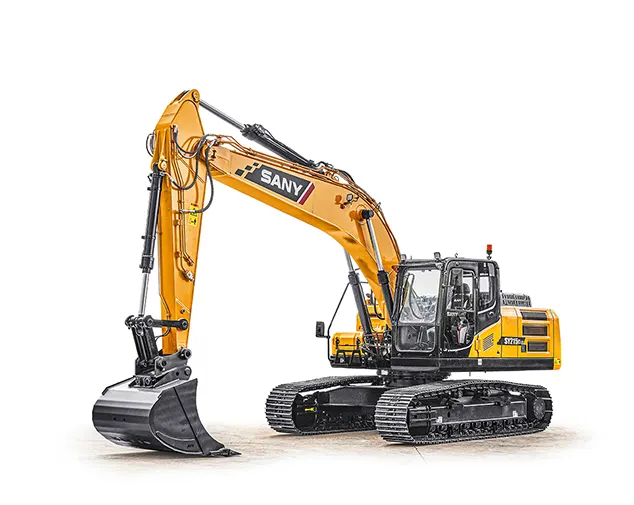
If you are narrowing options and want to compare models, a useful place to begin is by researching specific categories such as a SANY medium excavator alongside other makes to understand how specifications translate into on-site performance. Treat every specification as a piece of the puzzle: transport dimensions affect logistics, hydraulic flow influences attachment choice, and operating weight relates directly to lift and stability.
Start with a clear definition of the task and site conditions
Begin by listing the core activities the machine must perform. Are you excavating trenches for utilities, loading trucks, carrying out bulk earthmoving, or handling demolition rubble? Tasks that require long reach or deep digging impose different demands from short-reach, high-breakout-force jobs. Note also the typical working cycle: how many hours per day, the expected load sizes, and whether attachments such as hydraulic breakers, augers or grapples will be used regularly.
Next, survey the site. Ground conditions, access constraints and proximity to traffic or buildings will influence machine choice. A medium excavator that performs well on loose fill may be less suitable in rocky ground without the right arm and bucket profile. If the site is in a town centre with narrow access, transport height and tail swing are important; if operating on a rural field, ground pressure and undercarriage width become more relevant.
Match size and capability to the workload
Operating weight, reach and digging depth
Medium excavators typically cover a range of operating weights and are often specified in tonnes. These figures give a quick indication of digging power, lifting capacity and stability. Match the machine’s reach and digging depth to the deepest and furthest points you need to access. A machine that can barely reach a key excavation point will slow productivity and increase the need for auxiliary equipment.
Bucket capacity and hydraulic performance
Bucket size dictates the amount of material moved per cycle and should be chosen with the loader or dump truck capacity in mind. Hydraulic flow and pressure determine how quickly attachments operate and how responsive the machine feels. For frequent attachment changes, choose a model with compatible auxiliary hydraulics and quick-coupler options to reduce downtime.
Consider the operator experience and cab ergonomics
Operator comfort is not a luxury; it directly affects productivity and safety. Evaluate cab visibility, seat comfort, control layout and climate control, particularly for long shifts or multi-shift operations. Simple features such as adjustable joysticks, clear displays and good sightlines to the bucket and attachments reduce fatigue and help operators work more efficiently.
Also consider training and familiarity. If your workforce has experience with a certain control layout or brand family, staying within that familiarity can reduce the onboarding time when a new machine arrives on site.
Assess running costs and ownership models
Purchase price is only part of the total cost of ownership. Investigate service intervals, ease of access for routine maintenance, and the availability of genuine parts locally. Machines designed with accessible service points and long service intervals save time and money over the life of the asset.
For many contractors, flexible finance or hire-purchase models make sense because they preserve working capital while giving access to modern, productive equipment. Compare the costs and benefits of buying outright, leasing, or short-term hire in light of project duration, utilisation rates and tax considerations. Fitzgerald Plant Services, for example, offers finance options and UK-wide delivery which may be helpful when planning fleet additions across multiple sites.
Aftersales support, warranty and local parts availability
A dependable aftersales network reduces downtime. Confirm that technical support, warranty terms and parts supply are available within the regions where you operate. For UK-wide projects it is advantageous to work with suppliers who maintain multiple operational bases and can mobilise technicians or replacement parts promptly when required.
When comparing suppliers, ask about their service response times and whether they offer planned maintenance packages or emergency call-out coverage. Machines supported by experienced technicians and backed by manufacturer warranty give greater confidence in long-term reliability and resale value.
Practical checks before hire or purchase
Before committing, arrange an on-site demonstration or an opportunity to inspect a machine under working conditions. A live demonstration reveals real-world fuel consumption, hydraulic responsiveness and operator visibility in ways that specifications alone cannot. Pay attention to how the machine handles typical loads and attachments you will use most often.
Request documentation showing maintenance history for used machines and verify that any warranty coverage is transferable if you are buying second-hand. For new machines, clarify delivery lead times, set-up responsibilities and any training included with the sale or hire package.
Making the final decision: a straightforward checklist
Use a shortlist of priorities to compare contenders side by side: task compatibility, transport and site access, attachment capability, operator comfort, running costs, and support network. Give each factor a weighting appropriate to your operation—for example, if you have many urban projects, transport dimensions and tail swing might carry more weight than sheer bucket capacity.
Include practical considerations such as undercarriage wear predictions for abrasive sites, available warranty periods and whether local technicians can service specific brands. This disciplined approach helps teams reach an objective decision and reduces the risk of selecting a machine that is ill-suited to recurring site conditions.
Preparing for the first weeks on site
Once the purchase or hire is agreed, plan the initial mobilisation carefully. Ensure the operator receives a machine-specific handover and that essential spare parts and common consumables are on-site. Establish a maintenance schedule aligned with the manufacturer’s recommendations and with the supplier’s service support to maintain uptime.
Consider pairing the excavator with the right fleet vehicles and attachments from day one to avoid later compatibility issues. Regular review meetings during the first 30–90 days will highlight any adjustments needed to maximise productivity and confirm that the machine meets operational expectations.
A final word on suitability and value
Choosing the right excavator is an exercise in matching machine attributes to real-world demands. A medium excavator can be a versatile, cost-effective cornerstone of many site fleets when selected and specified with care. By defining the task, assessing site constraints, checking hydraulic and lifting performance, and confirming aftersales support, contractors can make a confident decision that supports both immediate productivity and long-term fleet efficiency.
Ultimately, the right choice reduces delays, lowers operating costs and helps teams deliver work to schedule—practical outcomes that matter to every project owner and contractor.
Get in Touch:
Fitzgerald Plant Services Ltd
Avondale Business Par, Avondale Rd, Cwmbran NP44 1TS
01633 860693
fitzgeraldplant.co.uk