





Kids kung fu classes can be a fun way for parents looking for a new sport for their child to get their child active, learn new skills, and grow personally. Kung fu is a broad term for a number of different Chinese martial arts styles. Usually, kids’ classes are changed so that kids of all ages and skill levels can learn. There are some things that all kids can expect when they start kids kung fu, even though each class will be different.
For both kids and their parents, knowing what to expect from a typical session can make the experience less scary. Kids kung fu classes are generally set up to gradually introduce martial arts, from warm-ups and fundamental movements to partner exercises and structured practice. For younger students, learning basic skills safely while building confidence, focus, and balance is often the main focus.
How to Start Kung Fu for Kids
A child may not feel comfortable in their first kids kung fu class. Some people may not know the moves, the teacher, or what is expected of them. There’s nothing wrong with this. The structure of most martial arts classes for kids makes it possible for people who have never done it before to join.
Kids kung fu instructors usually go over the basics of the class and show the kids how to behave during practice. Kids can learn how to stand, move around the training area, and do what they are told. Along with physical skills, respect and listening are often very important parts of class.
Children aren’t usually expected to learn things right away. Kids kung fu, on the other hand, tries to introduce moves slowly, giving students plenty of chances to practise. In this way, kids can get used to how a class works while still learning at a pace they can handle.
Everyday Kung Fu Class for Kids
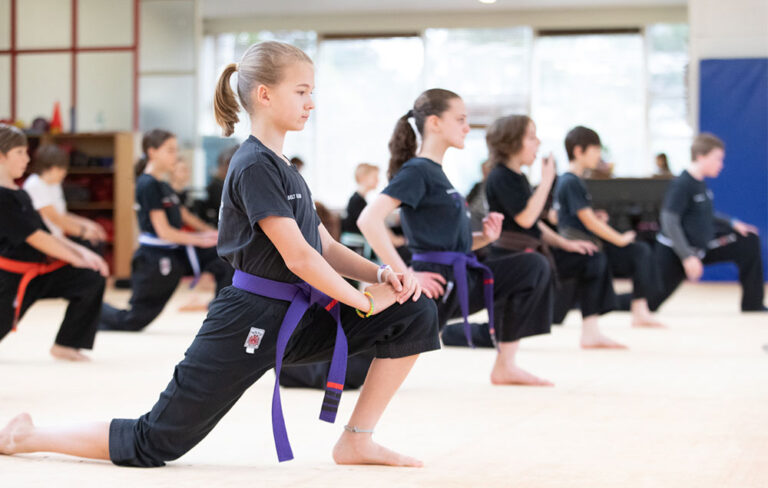
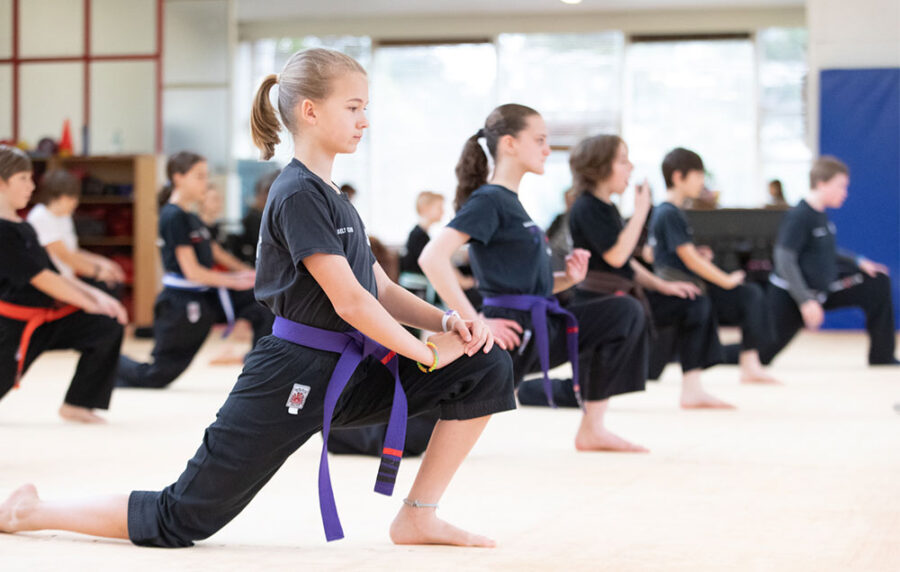
A kids kung fu class usually follows a predictable framework, despite class variations. Light movement, stretches, and coordination exercises may be used to warm up at the start of the class. These tasks get the body ready for exercise and help kids get used to the session.
Students can work on basic stances, footwork, hand movements, and simple techniques after warming up. Kids kung fu teachers often show kids how to do a move so that the kids can try it on their own.
For younger kids, games and activities that get them moving can take up a lot of time. These activities aren’t just ways to keep kids busy. Games can help improve balance, reaction time, coordination, and spatial awareness while also making martial arts ideas easier to understand.
Children may learn more structured ways to combine moves in kids kung fu classes as they gain practice. Sequences might be practiced over and over again until students feel more comfortable with them. As a normal part of martial arts training, repetition helps kids get better at controlling their movements and getting used to the moves they are learning.
Skills and fitness for the body
One thing that stands out about kids kung fu is that it gets kids moving. Kids will probably be moving around a lot during class, which makes martial arts a good way for them to get exercise.
Kids who do kung fu can do things that help them get fitter, more flexible, better coordinated, faster, and more balanced. Kids can try going in different directions, keeping their balance, controlling their movements, and making sure their hands and feet work together.
The level of physical difficulty will depend on the child’s age, how much experience they have, and how the class is set up. A class for little kids is probably going to look very different from a class for big kids. Younger kids might spend more time on movement games and basic coordination, while older kids might spend more time working on moves and combinations.
You shouldn’t expect all of your kids to learn and grow at the same rate. Children’s physical development is very different, and a good kids kung fu class should let students improve at their own pace without feeling like they have to compete with each other.
Learning how to focus and follow rules
Kung fu for kids isn’t just about moving around. Kids also need to be able to listen, remember what they are being told, and pay attention to demonstrations. Some people find it important to concentrate during these times.
In class, a child might be asked to remember how to do a set of moves or follow a certain direction. At first, this might be hard. Kids can get better at following directions and focusing on a job over time by doing them over and over again.
People who teach kids kung fu should not mix up discipline with being mean. In a school setting for kids, discipline can just mean learning to listen, wait for orders, practise the right way, and be polite to teachers and other kids.
Kids who like routines may benefit most from martial arts because it is very structured. Kids can better understand what is expected of them if they know that each class has a clear beginning, a time to practice, and an end.
Self-confidence and growth as a person
Parents look into kids kung fu for a variety of reasons, including the chance to grow as people. Kids can feel like they’ve accomplished something when they learn a new physical skill and can see their own growth.
At first, a child might have trouble remembering how to do a certain move or stance. They might be able to do it with more confidence after a few practice rounds. These small changes can help people remember that hard work and patience can pay off.
Kids kung fu can also help kids understand that making mistakes is a normal part of learning. Instead of expecting students to be perfect, training can push them to try again, take feedback, and keep practicing.
For some kids, this slow process can help them feel more confident. But every child builds confidence in their own way, and parents shouldn’t expect the same results from every student in martial arts. Instead, they should see it as a place where their child can grow personally.
Safety and Working Together
Kids kung fu may include movements done with a partner, depending on the class and age group. Kids can learn how to carefully control their moves, stay aware of other people, and follow directions by doing these things.
When kids learn martial arts, safety should be a big part of their lessons. Instructors should make it clear what is expected of students when it comes to physical contact and how methods should be practiced correctly. Kids should know that martial arts training is not a chance to hurt someone, but rather a way to practise safely.
For some activities, protective gear can be used, especially if it’s right for the age group and type of training. Not all kids kung fu classes, however, involve contact. Forms, footwork, conditioning, movement, and technique may be the main focus of some lessons.
Before their child starts, parents can ask the teacher about the physical contact. This can help make sure that both the child and the parent know what the class is about.
Getting Better at Kids Kung Fu
Kids kung fu development typically occurs over time. As students learn new skills and gain more control, they may work toward different levels of proficiency.
The exact system used by different martial arts schools and styles can be different, but progression can give kids something to work toward. Over time, as a child gains more experience, they may learn more complicated mixtures, forms, or uses.
It’s important to know that getting better is more than just learning new moves. Kids also need to work on their skill, be aware, be consistent, and know what is expected of them in class.
There may be times when progress seems to happen more slowly and other times when it seems to happen faster. Nothing is wrong with this. A child may quickly get better at one skill after practicing it for weeks, but it may take them a lot longer to get good at another.
What should kids wear?
The specific class’s dress code for kids kung fu varies. At some sessions, kids who are just starting out can train in comfortable sports clothes, but once they become more serious about martial arts, they may have to wear a uniform.
No matter what their needs are, kids should be able to move around easily most of the time. Different training environments may also have different rules about what shoes to wear, so parents should check with the instructor before the first lesson to see what they expect.
Also, make sure the child has eaten well and brought water with them before training. Kids should be ready to play and not too tired or hungry when they get there.
How parents can help their kid
By setting reasonable standards for their children, parents can ease the transition into kids kung fu. A child doesn’t have to do their best in the first few lessons. It can take a while for them to get used to new movements when they are learning something new.
Kids can get used to the pattern of class by being encouraged to come every day. Parents should also pay attention to how their kid feels about the activity. Having fun is a big part of keeping interested in any action outside of school.
It can also be helpful to ask about the child’s work instead of just whether they have moved on to the next level. Asking kids what they learned, what they liked about the activity, or what they found interesting can get them to think about what they did.
How to Pick the Best Kung Fu Class for Kids
Parents who are looking at kids kung fu classes might want to think about whether the classroom seems like a good fit for their child’s age and level of experience. A child’s experience can be changed by the way the teacher teaches, how the class is set up, and what is expected of them.
A good kids kung fu class should have clear instructions and good supervision. Kids should know the limits of their training, and activities should be changed based on how they are growing.
You might also want to find out about sessions for beginners, class sizes, how often training takes place, and what a normal lesson is like. Parents and kids can better prepare for what’s to come if they know these details ahead of time.
Last Thoughts
Kids Kung Fu can involve much more than just learning moves for martial arts. Physical exercise, focus, coordination, repetition, discipline, and chances to learn new skills may all be part of a typical class.
What the child goes through will depend on their age, attitude, what they’ve done before, and how the class is taught. Some kids might like the physical challenge more than anything else, while others might rather learn forms, practise skills, or set clear goals.
Making sure kids have time to get used to the space and learn at their own pace is the most important part of starting kids kung fu. With regular practice and the right kind of instruction, kids kung fu can be a great way to get kids involved in a structured physical activity while also giving them lots of chances to learn, practice, and feel good about their progress.