


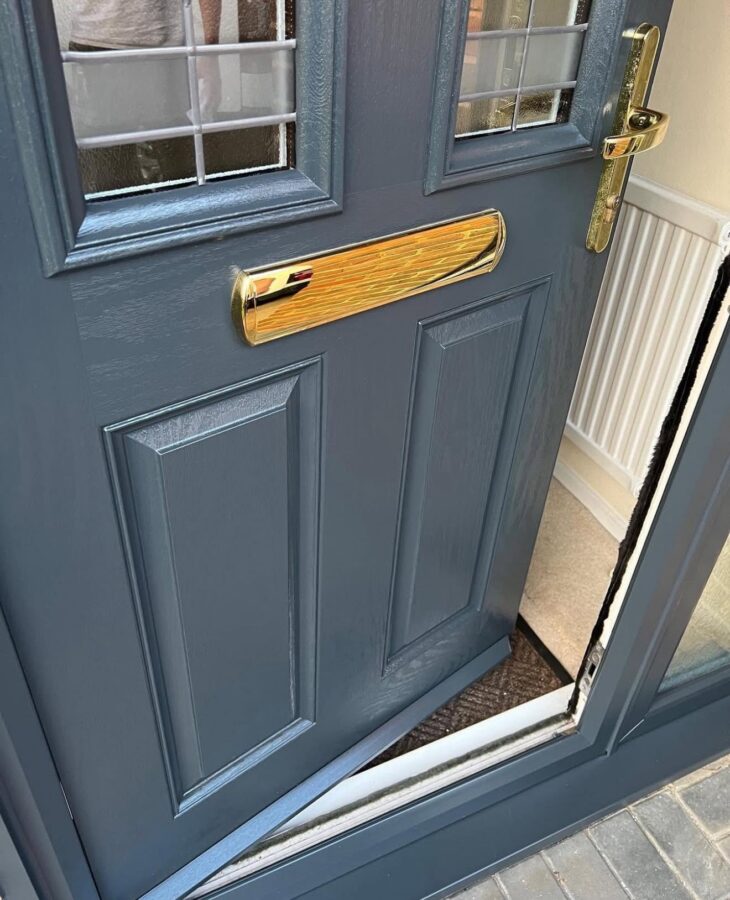
There is a moment in the life of almost every home when the windows, doors, fascias, and soffits that once looked fresh and crisp begin to show their age. The brilliant white that seemed so clean and bright when the property was built or last renovated has yellowed, faded, or simply begun to look tired against surroundings that have been maintained or improved in the years since. For homeowners in this situation, the traditional response has been replacement — new windows, new doors, new fascias — at a cost that can run into thousands of pounds and a disruption that can last days. What an increasing number of homeowners are discovering, however, is that there is a far more cost-effective, far less disruptive, and equally impressive alternative: professional uPVC painting, carried out by specialists who understand the material, the preparation, and the products required to achieve a finish that is genuinely beautiful and genuinely lasting.
Understanding uPVC and Why It Presents Unique Challenges
uPVC — unplasticised polyvinyl chloride — is one of the most widely used materials in residential construction across the UK. Its popularity is entirely justified: it is durable, low maintenance, thermally efficient, and available in a range of profiles and configurations that suit everything from traditional Victorian terraces to contemporary new builds. What uPVC is not, however, is a material that responds well to paint applied without proper preparation and specialist products. Its surface is inherently non-porous, with a slight flexibility that changes with temperature, and a chemical composition that causes standard paints to adhere poorly, peel prematurely, and fail in ways that leave the surface looking worse than it did before the attempt.
This is precisely why uPVC painting is a task that rewards professional expertise so substantially and why the results achieved by a properly equipped specialist differ so markedly from those of a DIY attempt or an unqualified painter who treats the material like any other surface. The professionals who specialise in this field have invested in the knowledge of which preparation techniques correctly key the uPVC surface without damaging it, which primers are chemically compatible with the material, and which topcoat systems provide the adhesion, flexibility, and colour stability that a lasting finish requires.
The Preparation Process: Where Professional Results Begin
The quality of any paint finish is determined primarily by the quality of the surface preparation that precedes it, and this principle applies nowhere more emphatically than in uPVC painting. A surface that has not been correctly prepared will not hold paint effectively regardless of the quality of the coating applied, and the particular properties of uPVC make thorough, correct preparation more demanding than it is with timber, metal, or masonry.
Professional uPVC painters begin with a thorough cleaning of the surface — removing all dirt, grease, oxidation, and any previous coatings that might compromise adhesion. This cleaning process uses specialist chemical cleaners formulated specifically for uPVC rather than general purpose cleaning products, and it is carried out with the care and attention that ensures every area of the surface is properly treated rather than simply wiped over. The cleaning stage is followed by a mechanical preparation process — light abrasion of the surface using appropriate materials that create a mechanical key for the primer to bond to without cutting through the surface or creating scratches that would show through the finished coating.
Priming is the next critical stage, and the selection and application of the correct primer is one of the areas where professional knowledge makes the most significant difference. Specialist uPVC primers are formulated to bond chemically with the plastic substrate and to provide the adhesion surface that the topcoat requires. Applying the wrong primer — or skipping the priming stage altogether — is one of the most common reasons that amateur uPVC painting fails, and it is a mistake that professionals never make.
The Colour Transformation and What It Achieves
One of the most compelling aspects of professional uPVC painting is the complete freedom of colour choice it provides. The standard white or wood-effect finishes that uPVC products are manufactured in represent only a tiny fraction of the colour possibilities available through painting, and the ability to transform windows, doors, and fascias into any colour from the full RAL or BS palette opens design possibilities that replacement could never offer at comparable cost.
The current popularity of anthracite grey windows and doors — a design trend that has defined contemporary residential aesthetics for several years and shows no sign of diminishing — is a perfect illustration of what professional uPVC painting makes possible. A property whose white uPVC windows and doors look tired and dated can be completely transformed with an anthracite grey or dark green finish that gives it the crisp, contemporary appearance of a property that has been recently and expensively refurbished — at a fraction of what replacement would cost and in a fraction of the time.
The colour transformation achievable through uPVC painting extends to every uPVC element on the exterior of a property — not just windows and doors but fascias, soffits, bargeboards, rainwater goods, and any other uPVC components that form part of the exterior appearance. Treating all of these elements as part of a coordinated colour scheme creates a coherence and intention in the property’s exterior appearance that is genuinely striking and that significantly enhances its kerb appeal and perceived value.
The Products That Make Professional Results Possible
The specialist paints and coating systems used by professional uPVC painters are not available through general DIY retail channels, and the difference between these professional-grade products and the consumer alternatives that might be attempted for a DIY approach is substantial. Professional uPVC coating systems are formulated specifically for the thermal expansion and contraction that uPVC undergoes as temperatures change — maintaining their adhesion and flexibility through repeated cycles of expansion and contraction that would cause standard paints to crack and peel within months.
UV stability is another critical performance characteristic of professional-grade uPVC coatings. The fading and yellowing that affects standard paints when exposed to sunlight is significantly accelerated on exterior surfaces, where UV exposure is constant and intense. Professional coating systems incorporate UV stabilisers that resist this degradation, maintaining colour accuracy and surface quality for many years after application. The colour retention of a professionally applied specialist coating, compared to the rapid fading of an amateur attempt with unsuitable products, is one of the most immediately visible differences between professional and non-professional uPVC painting.
The Efficiency and Minimal Disruption of Professional Work
Beyond the quality of the finished result, professional uPVC painting offers practical advantages in terms of the speed and minimal disruption with which the work is completed. Experienced uPVC painting specialists work efficiently and methodically, completing the preparation, priming, and topcoat application in a sequence that minimises the time windows and doors are unavailable for normal use. For homeowners who were contemplating replacement as the alternative, the contrast in disruption levels is dramatic — no removal of window frames, no structural work, no extended periods with openings unprotected, and no weeks of mess and inconvenience.
Professional painters also take meticulous care to protect surrounding surfaces — masking glass, ironmongery, brickwork, and any other elements that should not receive paint — and to leave the working area clean and tidy at the end of each day’s work and on final completion. This care and professionalism in the management of the work itself is part of what distinguishes a specialist trade from an amateur undertaking.
The Long-Term Value of Professional uPVC Painting
The return on investment in professional uPVC painting is compelling when assessed honestly against the alternatives. The cost of professional work is a fraction of the cost of replacement, the finish achieved is indistinguishable from new when properly executed, and the lifespan of a correctly applied professional coating — typically ten to fifteen years or more with normal maintenance — means that the investment delivers value over an extended period rather than requiring repeated expenditure.
For homeowners preparing a property for sale, the kerb appeal transformation that professional uPVC painting delivers can have a direct and meaningful impact on both the speed of sale and the price achieved. Estate agents consistently identify the exterior appearance of a property as the single most important factor in attracting viewings, and windows and doors that look fresh, contemporary, and well-maintained contribute enormously to that first impression. Professional uPVC painting, carried out to the standard that genuine specialists achieve, is one of the highest-return exterior improvements available to any UK homeowner — a transformation that is genuinely impressive, genuinely lasting, and genuinely worth every penny invested.
Get in Touch:
NuColour London Sprayers – Cladding & Warehouse Roof Painting
3rd Floor, 86 – 90 Paul St, London EC2A 4NE
0330 133 3420
londonsprayers.co.uk