






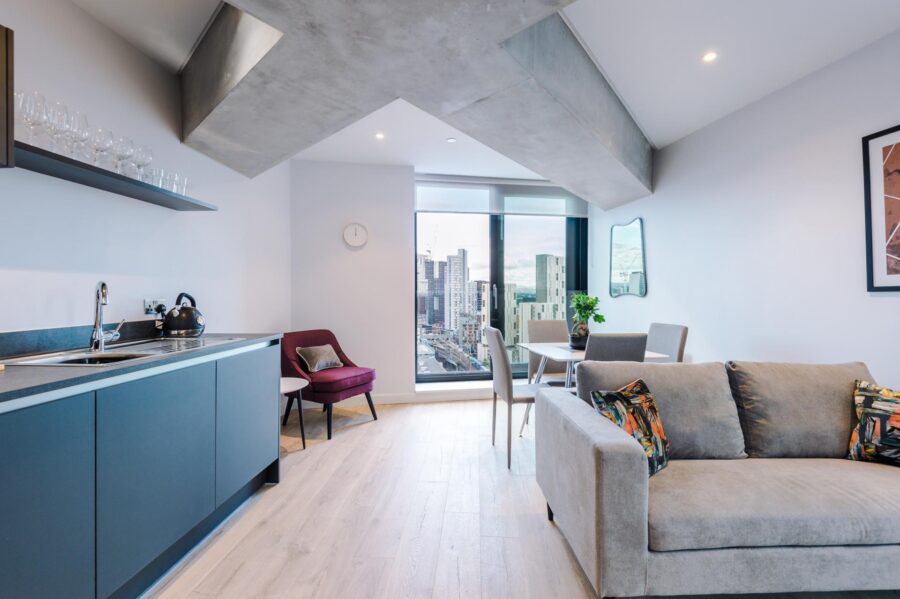
In the current dynamic rental market, operating a short-term let flat presents a lucrative investment opportunity. However, it also introduces distinctive risks that are insufficiently addressed by standard residential insurance policies. The insurance landscape becomes significantly more complex when a traditional residential property is converted into a commercial venture, necessitating specialised serviced apartment insurance that accurately reflects the true nature of your business operation. It is essential to comprehend these subtleties in order to safeguard your continuous revenue stream and financial investment.
The primary distinction between residential and commercial property insurance is the risk profile and the manner in which the property is utilised. Standard home insurance policies are intended for long-term rental properties or owner-occupied residences where tenants establish residency for extended periods. Nevertheless, serviced apartment insurance must consider the commercial nature of short-term accommodation services, the constant turnover of visitors, increased wear and tear, and higher foot traffic. These factors substantially increase the risk profile and necessitate comprehensive coverage that conventional policies are unable to offer.
It is imperative to identify insurance providers that specialise in or have substantial experience with short-term rental properties when conducting an assessment of various providers. Generic insurance providers may provide policies that appear to be suitable on the surface; however, these policies frequently include exclusions or limitations that could leave you vulnerable during critical moments. Specialist serviced apartment insurance providers comprehend the distinctive obstacles encountered by short-term let operators and tailor their policies accordingly. They provide features such as protection against damage caused by short-term occupants, guest liability coverage, and loss of rental income protection.
The coverage requirements for serviced residences are significantly more extensive than those of basic building and contents insurance. Public liability coverage is an essential component of your serviced apartment insurance policy. This coverage protects you from claims made by visitors who may sustain property damage or injury during their stay. This coverage is especially crucial due to the commercial nature of your operation and the fact that you are offering accommodation services to paying customers. Furthermore, you will require contents insurance that is sufficiently comprehensive to accommodate the elevated risk of larceny, damage, or loss that is associated with frequent guest turnover.
It is imperative that this coverage component be included in any comprehensive serviced apartment insurance policy, as the loss of rental income is one of the most substantial financial hazards for short-term let operators. In contrast to traditional rental properties, which may experience income loss due to long-term tenant default, serviced apartments are susceptible to income disruption from a variety of sources, such as property damage, necessary maintenance, legal disputes, or regulatory changes that impact short-term rentals. During periods when your property is unavailable for visitor rentals, quality insurance policies should cover ongoing expenses and lost bookings.
Another essential component that is frequently disregarded by new operators who are entering the serviced apartment market is professional indemnity insurance. This coverage safeguards against claims that result from professional negligence or the failure to deliver services as advertised. This coverage protects against disputes over service quality, booking errors, or failure to meet guest expectations as outlined in your advertising materials, as serviced apartment insurance policies increasingly acknowledge the professional service element of short-term accommodation provision.
The legal and regulatory environment pertaining to short-term rentals in the United Kingdom is undergoing a rapid transformation, with councils imposing a variety of requirements and limitations. Legal expenses coverage should be included in your serviced apartment insurance policy to assist in the resolution of potential disputes with local authorities, residents, or visitors. This coverage becomes more valuable as councils implement new licensing requirements and regulations that could affect your ability to operate legally and profitably.
When determining the appropriate level of coverage for your serviced apartment insurance policy, it is important to take into account the potential income loss during protracted closure periods, as well as the replacement value of your property and contents. The actual replacement cost of furnishing and equipping a serviced apartment to commercial standards is often underestimated by many proprietors. The cost of high-quality furniture, appliances, electronics, and soft furnishings that are suitable for commercial use is frequently substantially higher than that of residential equivalents. Additionally, these items may necessitate more frequent replacement due to increased utilisation.
When selecting serviced apartment insurance providers, the claims process is a critical factor to consider. You require an insurer with a demonstrated history of efficiently and fairly managing claims, as each day that your property is unavailable for rental represents a loss in income. Seek providers that provide 24-hour claims reporting, rapid assessment processes, and established networks of approved contractors who comprehend the urgency of restoring commercial properties to operational status.
The availability and cost of serviced apartment insurance coverage are significantly influenced by geographic location. Greater regulatory scrutiny, increased larceny risk, and higher property values may result in higher premiums for properties located in major cities such as London, Manchester, or Edinburgh. In contrast, rural or coastal properties may experience distinct risk profiles as a result of seasonal demand fluctuations, weather damage, or restricted emergency service availability. The selection of suitable coverage levels and policy features is facilitated by an understanding of the local risk factors.
Your serviced apartment insurance coverage is guaranteed to remain adequate as your business expands through consistent policy evaluations. Changing local regulations, fluctuating property values, expanding operations, and property improvements all affect your insurance requirements. Coverage gaps and opportunities to optimise both protection and premiums are identified through annual evaluations with specialist insurance advisors who are well-versed in the short-term let market.
Risk management encompasses more than just purchasing comprehensive insurance coverage. Establishing clear house rules, installing appropriate security systems, maintaining detailed property condition records, and implementing robust visitor screening procedures all contribute to reducing your risk profile. Numerous serviced apartment insurance providers provide premium discounts to properties that have professional management systems, enhanced security measures, or a proven track record of minimal claims history.
New technologies in property management and insurance assessment are still influencing the serviced apartment insurance landscape. Professional property administration software, digital check-in processes, and smart home systems have the potential to reduce insurance premiums and improve operational efficiency and security. When evaluating risk and pricing policies, forward-thinking insurance providers are increasingly acknowledging these technological advantages.
It is equally crucial to comprehend the exclusions of your policy as it is to be aware of the coverage that your serviced apartment insurance provides. Damage from unregistered visitors, losses resulting from unlicensed operations, or claims related to properties that do not comply with fire safety regulations are common exclusions. By conducting a thorough examination of these exclusions with insurance professionals, it is possible to identify areas in which additional coverage may be required or operational procedures that require modification to ensure complete protection.
A critical business expense that safeguards both your tangible assets and your capacity to generate ongoing income from short-term rental activities is the investment in comprehensive serviced apartment insurance. Although the premium costs may appear to be considerable in comparison to residential insurance, the investment is essential for responsible property proprietors due to the protection it provides against the unique risks associated with commercial accommodation provision. Property owners can operate with confidence and safeguard their valuable investments against the uncertainties inherent in this dynamic market sector by collaborating with specialist providers who comprehend the serviced apartment market, implementing appropriate risk management strategies, and maintaining adequate coverage levels.