






Setting a Higher Standard for Your Move
Moving house or office is often described in practical terms — vans, boxes, timings — but the difference between a routine transfer and a genuinely smooth relocation usually comes down to craftsmanship. When a removals team treats the job as a skilled craft, every stage from packing to reassembly is handled with intent rather than haste.
That craft approach matters for people in Edinburgh just as it does elsewhere. The city’s mix of tenement staircases, Georgian terraces and modern flats presents distinct challenges, so choosing a service that prioritises care and technical skill makes good sense for homeowners, students, landlords and businesses alike.
Many prospective customers begin their research online and search for Edinburgh removals as a shorthand for local expertise; the right team will combine experience with the kind of attention to detail that protects possessions and keeps the move on schedule.
Why Craftsmanship Matters in Removals
Quality-focused removals reduce the chance of damage, shorten the total time spent on a move and make a stressful process feel orderly. Craftsmanship is visible in small acts: choosing the correct wrapping for a delicate picture, disassembling a bed to avoid scuffs, or routing a large sofa out through a window rather than forcing it through a tight stairwell. Those choices are not random — they reflect knowledge built up over many moves.
Beyond protection of belongings, a craftsmanlike approach creates efficiencies. Teams that plan lifts, label boxes clearly and pack vans strategically waste less time manoeuvring and spend more time executing the job. For solicitors, landlords or tenants working to strict deadlines, that efficiency translates into fewer late fees, less downtime and a calmer schedule.
Practical Ways Quality Shows Up on Moving Day
Packing with Purpose
Packing is the most tangible expression of care. Professional packers use a graded system of materials: reinforced boxes for heavy books, double-walled cartons for delicate items, tissue and foam for ceramics and archival boxes for artwork. They take the time to pad corners, secure lids and seal boxes so nothing shifts in transit. Clear labelling — indicating room placement and fragility — turns unpacking from a chore into a manageable sequence.
Handling Furniture Like Furniture
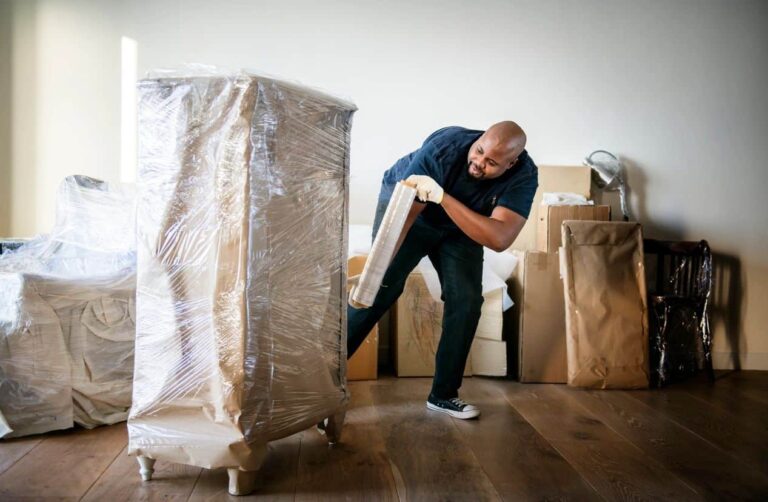
Experienced removal teams treat furniture as a collection of unique objects, not simply as items to be stacked. Legs are wrapped, surfaces protected with breathable covers and awkward shapes are measured and assessed before any lift begins. Where disassembly is required, parts are bagged and labelled so reassembly is straightforward on arrival.
Loading and Transport with Thought
Loading a removal vehicle is like packing a three-dimensional puzzle. Weight distribution, restraint points and cushioning all matter. A crafted approach ensures heavy items sit low and close to the cab, fragile boxes ride on top with padding on every side, and items that will be needed first on arrival are positioned for quick access. Secure strapping and attention to suspension reduce movement during longer journeys.
Storage and Interim Care
When storage forms part of a move, craftsmanship continues to pay dividends. Storage units that are clean, dry and organised allow items to be retrieved without fuss. Thoughtful teams inventory stored goods, creating a record that saves time and minimises handling when items are reclaimed.
Preparing with a Craftsman’s Checklist
A little preparation amplifies the benefits of hiring a careful team. Start by producing a simple inventory and identifying items that will need special attention. Measure large items and doorways in both properties so movers can plan lifts intelligently. Separate and clearly label boxes by room and add a brief contents note on each box’s exterior.
If you have antiques, heirlooms or specialist equipment, create a short preparation list for each piece: whether it should be professionally crated, whether cushions should be removed from upholstered furniture, and whether there are fixed elements that must remain in place. Sharing this information in advance allows the removal team to bring the right materials and personnel.
Time your packing in stages rather than trying to complete everything at once. Begin with non-essential items six to eight weeks ahead, gradually working toward the essentials in the final days. Not only does this approach reduce last-minute stress, it gives packers the space to apply the proper techniques to each category of goods.
How Professional Packing Services Deliver Value
Professional packing is sometimes viewed as an optional extra, but when you factor in the time saved, the reduced likelihood of damage and the faster settling-in at the destination, it often represents good value. Trained packers can protect electronics with static-free materials, wrap fragile ceramics in multiple layers and assemble bespoke crates where necessary.
Using the correct materials is part of the value proposition: economy boxes can collapse under weight, while purpose-made packing solutions maintain integrity throughout the journey. A professional team will also advise on what is suitable for transport and what should be photographed or documented for insurance purposes before moving.
Storage, Clearance and Student Moves Handled with Care
Different customers need different levels of attention. Students may require short-term, flexible storage and the option to collect items at short notice; homeowners renovating between tenancies typically need a secure, weatherproof solution for furniture and flooring. A craftsmanlike service treats each requirement individually, arranging packing and storage with a view to the customer’s overall timeline and reuse plans.
House clearances, when conducted sensitively and methodically, can complement removals by reducing clutter and ensuring reusable items are handled responsibly. Where disposal is necessary, detail-oriented teams catalogue items and follow agreed instructions so clients retain control without the burden of planning every last step.
Choosing a Removal Partner That Prioritises Detail
When evaluating potential partners, look for evidence of structured processes rather than marketing claims alone. Ask how they protect surfaces in properties, what materials they use for fragile items and how they plan vehicle loads. Clarify whether they provide inventories for stored goods and whether furniture assembly is included in the service.
Insurance and accountability are also part of craftsmanship: well-run teams explain their cover clearly and outline how claims are managed should the unlikely happen. Equally important is a practical, can-do attitude and the ability to adapt plans when unexpected access issues or time constraints arise.
Making the Most of a Skilled Removal Service
Working with a removals team that treats relocation as a craft makes the process more predictable and personally manageable. It reduces the time you spend worrying about possessions and increases the likelihood that your home or office will be ready to use quickly after arrival. For anyone balancing work, family or study commitments, that combination of care and efficiency is particularly valuable.
Expect clear communication from the outset, a practical pre-move plan, and teams who turn up with the right materials and a methodical approach. Those markers distinguish a high-quality service and repay the modest additional cost often associated with professional packing or specialist handling.
A Positive Note for Your Next Move
Relocation need not be a blur of tape and stress. By treating moving as a skilled craft — and by choosing partners who share that mindset — you protect your belongings, make better use of time and arrive at your new place in a better state of mind. Attention to detail is not a luxury; it is the practical difference that elevates an ordinary removal into a well-executed, calming experience.