






A dependable internet connection is becoming as important as electricity or running water in our digitally linked society. Your WiFi service is the most important part of your digital life, whether you’re working from home, streaming movies, playing games online, or just keeping in touch with friends and family. Many people, however, make the big error of choosing the first internet bundle they see without taking the time to carefully consider their options. If you don’t pay attention, you can end up paying too much for bad service, losing out on better packages, or becoming stuck in contracts that aren’t in your best interest.
In today’s market, comparing WiFi deals has gone from being a nice thing to do to being a must-do. There are now dozens of providers offering hundreds of different packages, each with distinct speeds, data limits, contract periods, and pricing structures. This has made the scene more complicated. Customers often end up spending a lot more than they need to and getting worse service because they don’t compare prices correctly.
Getting a handle on the financial effects
One of the best reasons to compare WiFi deals is that you could save a lot of money. There can be a huge difference in price between different providers and bundles. Some customers spend twice or three times as much as they need to for the same or even worse service. These savings aren’t just ideas; they’re real money that may be used for other things around the house or for saving for something else.
The financial benefits go beyond just the monthly subscription fee. A lot of packages include hidden expenses that you only find out about after looking closely at them during the comparing process. The real cost of a WiFi package might change a lot because of installation fees, equipment rental fees, early termination fees, and price rises following promotional periods. When you carefully compare WiFi agreements, you can see these hidden costs. This lets you figure out the real total cost of ownership throughout the life of the contract.
Also, different providers have very different promotional offers and introductory pricing. Some companies give big discounts for the first year, while others keep the same prices for the whole contract. Some companies could offer extra services like streaming subscriptions or mobile phone bundles for free. Because of these differences, the lowest advertised rate isn’t always the best deal over time.
Things to think about when it comes to speed and performance
In the last few years, the need for faster internet has grown a lot because of the rise of streaming services, cloud-based apps, video conferencing, and smart home gadgets. But speed isn’t just about getting the fastest connection; it’s also about making sure your service fits your actual usage habits and demands as a family.
When you compare WiFi deals, you can see what speed options are available to you that fit your budget. Some providers are great at keeping speeds steady at busy times, while others may advertise fast speeds that drop a lot when networks are busy. Upload speeds, which are often ignored but are really important for video chats and cloud storage, can be very different between packages that cost around the same amount.
The comparison procedure also shows the gap between the speeds that are stated and the speeds that are guaranteed to be at least that fast. Some providers promise “up to” speeds that may not be possible in real life, while others give more realistic figures that better show how well the service works. Knowing these small differences can help you choose a package that will reliably suit your demands instead of one that will let you down with uneven performance.
Terms and Conditions of the Contract
The terms and conditions of WiFi contracts can have a big effect on how you use it and how much you have to pay. Contracts can last anywhere from a month to a year, and each type has its own pros and cons. When you compare WiFi offers in a methodical way, you can see how different contract types fit with your current situation and future objectives.
Shorter contracts usually give you more freedom because you can change providers or upgrade services without having to pay a fee. But they usually cost more each month. Longer contracts normally have lower monthly rates, but they may also have high early termination costs that keep you from getting out of the service even if your situation changes or better deals come up.
The process of comparing also shows crucial information regarding the terms for renewing a contract, the policies for raising prices, and the steps for changing or cancelling service. Some providers automatically renew contracts at the regular rates after the promotional time ends. This could lead to big price increases. Some provide loyal customers discounts or the chance to change the terms of their contract before it ends.
Reliability of Service and Help for Customers
As more parts of daily life depend on a stable internet connection, it has become more important for the internet to be reliable. WiFi that doesn’t work well makes it hard to work from home, go to school online, watch films and TV shows, and control your smart home. When you look at different WiFi offers, you’re not only looking at the price and speed; you’re also looking at how reliable the service has been in the past and how they handle customer care.
Different providers have different levels of infrastructure quality and maintenance, which can cause big variances in how often and reliably their services are available. Some companies spend a lot of money on network redundancy and proactive maintenance, which leads to fewer outages and faster problem solving. Some companies may have good prices, but they have trouble with service outages that happen a lot, which costs more in terms of missed productivity and dissatisfaction.
The level of customer service varies widely across the industry. Some carriers offer full assistance through a number of channels, including as phone, email, live chat, and in-person visits from a technician. Others depend mostly on automated systems or call centres in other countries, which may not be able to help as much when technological problems come up. You can look into and compare these assistance alternatives before choosing a supplier by going through the comparison process.
Things to think about when it comes to technology and equipment
The technology that powers different WiFi networks can have a big effect on how you use the internet. Fibre optic connections are usually faster and more reliable than traditional copper-based services, however not all locations and providers offer them. You can find out which technologies are available in your area and how they might affect the quality of your service by comparing WiFi plans.
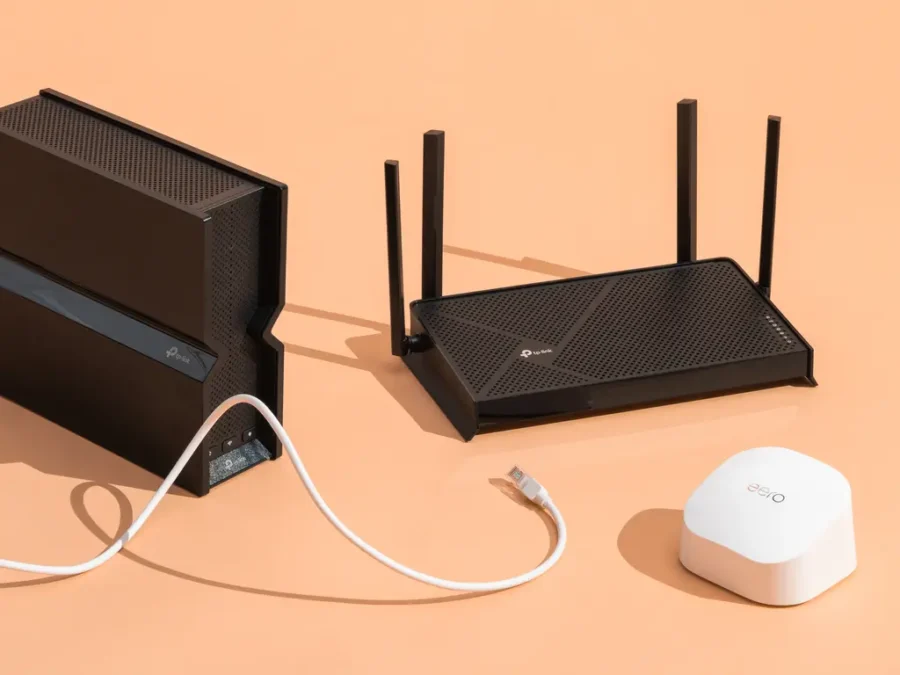
The quality, functionality, and price of the equipment that different companies offer might also be very diverse. Some carriers give you the latest routers with extra features like mesh networking, parental controls, and guest network options. Some companies may just give you basic equipment that doesn’t work well in bigger households or with more than one linked device.
The process of comparing also shows whether you may use your own equipment or whether you have to rent gadgets from the provider. Using your own router can save you money and make your internet connection faster, but not all providers allow this.
Market Changes and Timing
The WiFi industry is always changing. New firms are entering the market, current companies are offering better services, and prices are changing to stay competitive. You can stay on top of these developments in the industry and take advantage of new chances as they come up by regularly comparing the deals that are available.
When you choose your WiFi service can also affect the deals you can get. A lot of providers have special deals at various periods of the year or when they start offering new services in your area. You can get extra value from student discounts, seasonal sales, and bundle offers with other services that may not be available all year.
How to Make the Comparison Process Work
To compare WiFi deals correctly, you need to know what you need and how you use it. Think about how many devices will be connected at the same time, what kinds of online activities are most important to your family, and if you need extra services like static IP addresses or better security measures.
Make a full comparison that includes all expenditures over the life of the contract, not simply the monthly price that is offered. Think about installation fees, equipment prices, any deposits that may be needed, and possible price hikes after the offer period ends. This view of the overall cost gives a better idea of what each package is really worth.
When you carefully and thoroughly research WiFi deals, you turn what could be an irritating and costly choice into a chance to improve both your internet experience and your household budget. Taking the time to compare things properly pays you in better service, lower costs, and the peace of mind that comes from knowing you made the right choice for your needs.