






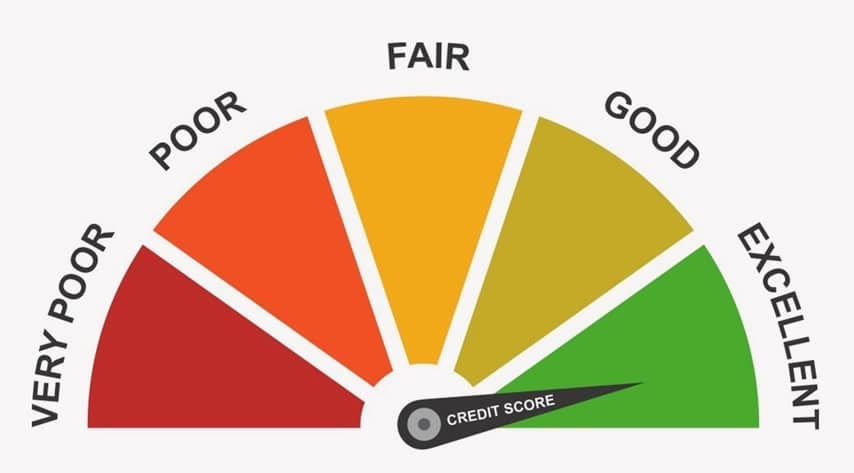
Understanding how to improve your credit score is one of the most important financial skills you can acquire in today’s economy. Your credit score is a numerical measure of your creditworthiness, which influences everything from mortgage rates to mobile phone contracts. Whether you’re beginning from zero or seeking to improve an already good score, using tried-and-true tactics can have a big impact on your future finances.
The Foundation of Credit Score Improvement
When deciding how to improve your credit score, it is critical to understand the elements that influence this important statistic. Payment history accounts for the majority of your score computation, thus consistent, timely payments are the foundation of any improvement strategy. This entails paying at least the minimum amount due on all credit accounts by the due date, every month, without exception.
Late payments can stay on your credit report for up to six years, making them very detrimental to your financial reputation. Even a single missed payment might lower your score dramatically, whereas repeated on-time payments signal dependability to potential lenders. Setting up direct debits for at least the minimum payment amount can help ensure you never miss a due date, but you should also review your accounts on a frequent basis to verify payments are properly handled.
Another important component in how to improve your credit score successfully is credit utilisation. This is the proportion of your available credit that you are currently using on all of your credit accounts. Financial experts recommend that you keep your credit utilisation below 30% of your total available credit, but keeping it below 10% can improve your score even more.
For example, if you have a total credit limit of £10,000 across all of your cards, you should try to keep your outstanding amounts below £3,000, preferably around £1,000. This shows lenders that you can handle credit responsibly without relying heavily on borrowed finances. Pay down current debt and try making many payments throughout the month to keep your utilisation low, especially before your statement’s closing date.
Creating and Maintaining Your Credit History
The duration of your credit history has a significant impact on how to improve your credit score over time. Lenders prefer to see a long history of careful credit management, which includes keeping older accounts active even if they aren’t used frequently. Closing outdated credit cards might lower your credit score by limiting accessible credit and shortening the average account age.
Instead of cancelling unused accounts, consider making minor purchases using these cards and paying them off right away. This keeps the accounts operational while keeping your credit history intact. However, be aware of any annual fees on cards you do not use frequently, as these costs may offset the credit score gains.
Diversifying your credit mix is another effective strategy for how to improve your credit score. Having a variety of credit accounts, such as credit cards, personal loans, mortgages, or hire purchase agreements, can improve your credit score. This diversity demonstrates to lenders that you can manage different sorts of credit responsibly. Only take on new credit if you truly need it and can afford the payments.
Strategic Approaches to Credit Building
If you’re wondering how to improve your credit score with low credit history, consider becoming an approved user on someone else’s account. When a family member or trusted acquaintance joins you as an authorised user on their credit card, their good payment history and low utilisation can help your credit score. Ensure that the principal account holder has good credit habits, as poor behaviour might harm your score.
Secured credit cards can help people with bad credit get their credit back on track. These cards require a deposit, which is often used as your credit limit, but they report to credit bureaus exactly like standard cards. Using a secured card properly, making little purchases and paying off the entire sum each month, can help you rebuild your credit over time.
Addressing credit report inaccuracies is another great technique for how to improve your credit score. Obtain free copies of your credit reports from all major credit reference bureaus and thoroughly analyse them for errors. Dispute any inaccuracies you discover, such as accounts that do not belong to you, wrong payment statuses, or out-of-date information that should have been deleted.
Common errors include accounts remaining on your report after their legal deadline, payments indicated as late when they were actually on time, and duplicate entries for the same debt. Correcting these mistakes can result in rapid increases in your credit score, making it one of the quickest ways to see good results.
Managing Existing Debt Effectively
Creating a planned approach to debt repayment is critical while learning how to improve your credit score. The debt avalanche strategy entails paying the minimal amount on all debts while directing extra funds to the account with the highest interest rate. This strategy saves money on interest while boosting your credit utilisation ratio as balances decline.
Alternatively, the debt snowball strategy prioritises paying off the smaller obligations first, regardless of interest rate. While this may cost more in interest over time, the psychological effect of deleting entire accounts might serve as motivation to continue improving your financial status.
If you are having trouble making payments, consider talking with your creditors. Many lenders would prefer to work out a payment plan than see you default completely. Some may even accept a settlement for less than the whole amount owed, although this might have a negative influence on your credit score. However, a resolved account is usually better for your credit than a defaulted one.
Long-Term Credit Score Maintenance
Understanding how to improve your credit score entails more than just making fast fixes; it is also about creating long-term financial habits that support credit health. Regularly checking your credit score and reports allows you to track progress and promptly spot any concerns that develop. Many financial organisations now provide free credit score monitoring services to their customers.
Avoid applying for many credit accounts within a short period of time, as each application usually results in a hard inquiry on your credit report. These enquiries can temporarily damage your credit score, and several enquiries within a short period of time may indicate financial distress to potential lenders. Credit applications should be spaced out by at least six months.
When adopting ideas on how to improve your credit score, patience is still key. While certain modifications, such as fixing errors, produce instant impacts, the majority of improvements take many months to surface. Consistently utilising these established approaches while maintaining good financial habits can progressively increase your creditworthiness and open the door to better financial prospects in the future.
The path to higher credit involves focus and discipline, but the long-term benefits of better lending terms, cheaper interest rates, and greater financial flexibility make it worthwhile. You can attain and maintain the credit score that supports your financial goals by implementing these complete techniques and engaging in persistent positive financial conduct.