





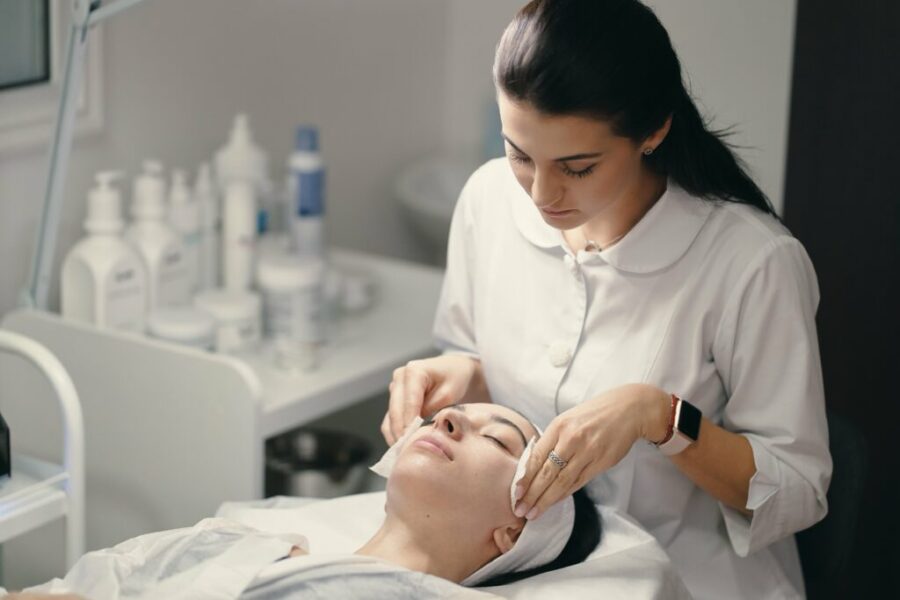
Cosmetic enhancements have changed significantly in recent years. Non-surgical aesthetic treatments have quickly replaced surgical operations as the preferred method for cosmetic enhancement. These minimally invasive techniques save downtime and produce natural-looking outcomes. As technology and beauty standards change, demand for non-surgical treatments rises.
Non-surgical treatments offer substantial changes without surgery risks or recovery time. Dermal fillers, botulinum toxin injections, and laser therapy have advanced, allowing practitioners to produce amazing outcomes with minimum pain and adverse effects. This accessibility has made aesthetic enhancements more accessible to a wider audience, including individuals who were previously wary of more surgical treatments.
Instead of a drastic change, non-surgical therapies are popular because people want a more natural look. Many people want modest changes to seem like their best self rather than a different person. Non-surgical techniques available at Sarah Partridge Beauty let patients to adapt their treatment programs over time and retain a more youthful appearance without anyone noticing.
Social media and “selfie culture” have also raised demand for non-surgical aesthetic treatments. With everyone posting images and videos online, looking good is more important than ever. Non-surgical procedures can quickly and effectively treat fine lines, wrinkles, and skin texture issues, boosting digital confidence.
Cosmetic operations are becoming more accepted, which boosts non-surgical treatments. More people are openly discussing aesthetic modifications, reducing their stigma. This attitude shift has made it easier for people to investigate their alternatives and find treatments that suit their needs.
The number of non-surgical aesthetic treatments available for various issues is growing. Popular procedures include:
Dermal fillers: These injectable procedures add volume, smooth wrinkles, and improve facial features. They effectively treat mid-face indications of ageing such nasolabial wrinkles and cheek hollowing.
Botulinum toxin injections: These injections temporarily relax the muscles that cause dynamic wrinkles like frown lines and crow’s feet.
Laser treatments: Laser therapies can improve pigmentation, acne scars, and skin texture and tone. Laser treatments can also remove hair and tighten skin.
Chemical peels: A chemical solution is applied to the skin, peeling away the outer layers to expose fresher, more youthful skin. Chemical peels can be tailored to specific skin issues and vary in intensity.
Microneedling stimulates collagen formation and skin healing by making tiny punctures using fine needles. Microneedling improves smoothness, scar reduction, and skin quality.
This non-surgical facelift alternative uses dissolvable threads under the skin to lift and tighten drooping face and neck areas. The threads lift immediately and boost collagen formation for long-term results.
Radiofrequency treatments: Energy waves heat the deeper skin layers to stimulate collagen formation and tighten drooping skin. Various facial and body parts can receive radiofrequency treatments.
Non-surgical aesthetic treatments are becoming more popular, so choosing a skilled practitioner is crucial. These methods are safer than surgery, but they still include risk and need facial anatomy and injection techniques knowledge. Finding safe, natural-looking clinics and practitioners is crucial for patients.
Research and development will improve non-surgical aesthetic therapies in the future. Emerging field trends include:
Combination treatments: Many practitioners combine non-surgical methods for better results. Combining dermal fillers and botulinum toxin injections to treat several indications of ageing.
Individualised treatment plans: Technology helps practitioners personalise therapies to patients’ requirements and goals. This may involve employing 3D imaging and analysis to tailor treatment to each patient’s facial anatomy and concerns.
Preventative treatments: Younger people are using non-surgical techniques to delay ageing. Instead of fixing problems, “prejuvenation” emphasises youth.
Non-invasive body contouring: While most non-surgical treatments focus on the face, body contouring procedures are gaining popularity. Non-invasive fat removal and skin tightening methods include cryolipolysis and high-intensity focused ultrasound.
Extended results: Research is underway to produce treatments that last longer and require fewer touch-ups and maintenance appointments.
Non-surgical aesthetic treatments will certainly become more popular as they improve. Many people who want to look better without surgery love the chance to see results with minimal downtime and danger. These treatments aren’t for everyone, so they should be approached with realistic expectations and under professional supervision.
Finally, non-surgical aesthetic therapies have changed cosmetic upgrades. These procedures address frequent problems and give a renewed, natural look in a more convenient, less invasive way. As technology advances and society’s beauty standards change, non-surgical therapies will become more essential in aesthetic medicine. Non-surgical cosmetic treatments can help you look and feel your best, whether you want to address particular issues or preserve a young appearance.