





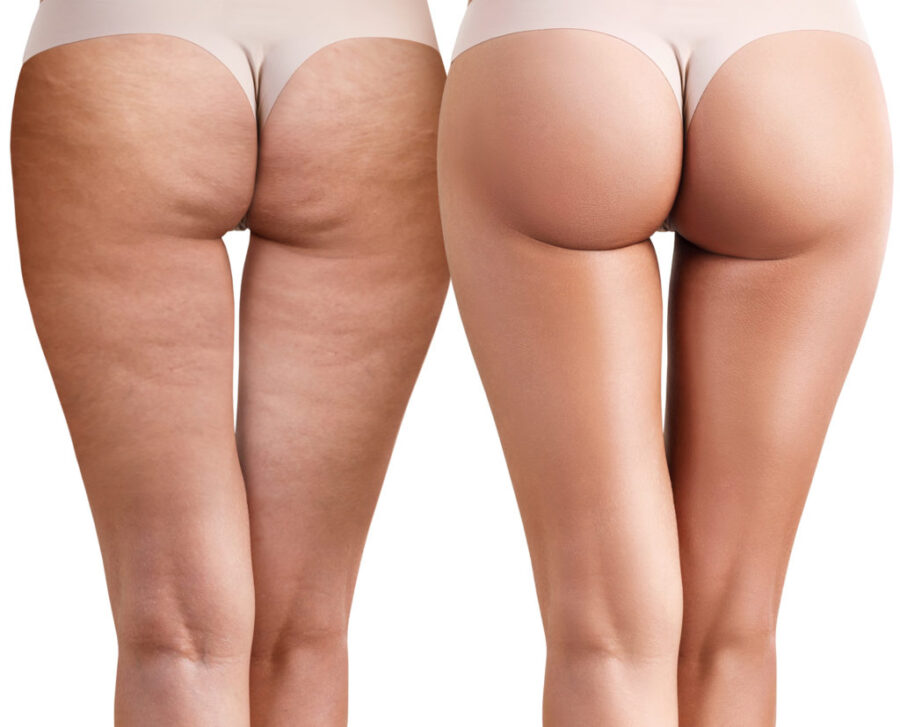
Cellulite is a very common beauty problem that people of all ages, body types, and levels of exercise have. Many people have dimpling or uneven skin, especially around the legs, buttocks, and hips, even though they live a healthy lifestyle. Because these changes happen below the skin’s surface, diet and exercise alone are not enough to fix them. Because of this, a lot of people look into professional cosmetic treatments that get rid of the cause of cellulite instead of just improving the way it looks.
Subcision cellulite treatment is one of the most successful methods currently available. Subcision cellulite treatment works by releasing the fibrous bands under the skin that cause the dimples, in contrast to treatments that only work on the skin’s surface. For the right patients, this targeted approach can give them smoother-looking skin and long-lasting benefits.
People can make better choices about their treatment options if they know how subcision cellulite treatment works, who it’s best for, and what to expect before, during, and after the procedure.
Fibrous connective tissue under the skin pulls the skin down while fat underneath pushes the skin up. This is how cellulite forms. This mix gives people the well-known bumpy or uneven look. For some reason, cellulite is usually linked to being overweight, but it can happen to anyone, even thin, active people. It develops because of hormones, genes, getting older, and changes in the skin’s flexibility.
Because of differences in the structure of connective tissue between men and women, women are much more likely to have cellulite. As people get older, their bodies naturally make less collagen. This can make the skin thinner and less flexible, which makes cellulite stand out more over time.
Instead of just trying to get rid of fat deposits, subcision cellulite treatment targets the connective tissue that causes these depressions. It works especially well for treating moderate to serious dimpling because of this.
In subcision cellulite treatment, a medical professional makes very small cuts in the skin and inserts a special tool underneath it. The tool is carefully directed to the fibrous septae that hold the skin down. Then, these tight bands are taken off, which lets the skin lift naturally and makes the surface smoother.
The skin isn’t pulled down as much once these bands of fibres have been broken up. In addition to healing itself, the body’s natural process also helps new connective tissue grow in a better way, which helps support the new shape over time.
When subcision is used to treat cellulite, each dimple is carefully targeted instead of large areas being treated without any thought. This personalised method lets the practitioner focus on the areas that are causing the most obvious problems.
Patients are normally given a local anaesthetic before the procedure, which helps to minimise pain and lets them stay awake during treatment. Subcision cellulite treatment can last anywhere from thirty minutes to an hour, depending on the number of places being worked on.
A lot of people say that the feeling is more like pressure or moving under the skin than real pain. A local anaesthetic helps make sure that the procedure is painless, but after the anaesthetic wears off, you may feel some mild discomfort.
People who have had subcision cellulite treatment often get bruises, which is normal. It is also normal to feel swollen, tender, and sore for a short time while you are healing. Over the course of a few weeks, these effects usually get better slowly.
Most people can get back to light daily activities in one or two days. However, they may need to wait to do strenuous exercise, heavy lifting, or high-impact activities until their treating clinician tells them to. During the early stages of recovery, wearing compression clothing may also be suggested to help the body heal and reduce swelling.
One of the best things about subcision cellulite treatment is that the results keep getting better as the body heals. Some change may be seen as soon as the bruises start to heal, but the full effect is usually not seen until a few months later.
People who have clearly marked cellulite dimples caused by fibrous tethering respond very well to subcision cellulite treatment. It usually doesn’t work as well for skin that is very loose, has a lot of laxity, or has irregularities that are mostly caused by fat deposits instead of connective tissue bands.
Before starting subcision cellulite treatment, you must get an evaluation from a medical professional with the right training. During the consultation, the doctor will look at the dimples, talk to you about your medical history, check the quality of your skin, and decide if the dimples are likely to get better with treatment.
Patients who are honest about what they expect are often the happiest with the outcome. Even though subcision cellulite treatment can make cellulite look a lot better, no procedure can promise that the skin will be completely smooth. The goal is usually to get rid of dimpling and make the skin’s texture more even.
The effects of subcision cellulite treatment usually last a long time since the freed fibrous bands don’t always return in the same way. Still, getting older is a natural process that never stops, and new cellulite may appear over time because of changes in hormones, weight, or genes.
It might help to keep results for longer if you keep your weight stable, live a healthy life, and stay active. Taking care of your skin, staying hydrated, and being healthy in general can also help keep your skin healthy.
As with any minimally invasive process, there are some risks that could come up with subcision cellulite treatment. Most of the time, people report temporary bruises, swelling, tenderness, and mild pain as side effects. During healing, small areas of firmness may appear under the skin from time to time, but they usually go away on their own.
Less often, patients may have long-lasting bruises, temporary numbness, uneven healing, or small skin problems. Even though infections are rare, they are always a risk when the skin is punctured. These risks can be lowered by choosing a doctor with a lot of experience and carefully following the aftercare directions.
It’s important to be patient while you heal from subcision cellulite treatment. Patients should know that it will take time for the full effects to show because bruises can make the treated area look worse before it gets better. Following up with regular appointments lets you keep an eye on your healing and take care of any problems right away.
It’s common for people who are thinking about subcision cellulite treatment to have already tried skin creams, massage, or non-invasive body treatments that didn’t work very well. These methods might make the skin feel or flow better for a short time, but they don’t usually fix the problem with the rigid connective tissue that causes the dimpling to stay.
For the right patients, subcision cellulite treatment is a more targeted solution because it directly releases these structural bands. Because of this difference in how the treatment works, it may produce longer-lasting results than ways that only treat the skin’s surface.
A full consultation should always include a talk about what to expect, how long it will take to recover, any possible side effects, and how well the treatment will work for each person. Patients can learn about the pros and cons of subcision cellulite treatment before making a choice if they are told the truth.
Before getting subcision cellulite treatment, you may need to stop taking some supplements or medications that make bruises more likely, as long as your doctor says it’s okay. Patients should always do what their doctor tells them to do and tell their doctor about any allergies, medical problems, or cosmetic procedures they’ve had in the past.
Wearing clothes that are easy to move around in is often suggested for the day of treatment, especially if the buttocks or thighs are being worked on. Setting up transportation home may also be a good idea if you think you will be in pain after the procedure.
Carefully following the aftercare instructions helps the healing process after subcision cellulite treatment. To get better as quickly as possible, keep the treated area clean, don’t put too much pressure on it, and slowly get back to normal activities. Any strange symptoms, like redness that gets worse, excessive swelling, or signs of an infection should be mentioned right away to the doctor or nurse treating you.
It’s important not to forget that subcision cellulite treatment can also help with your mental health. A lot of people feel bad about their cellulite when they can see it, especially when they’re wearing swimwear, shorts, or tight clothes. If treatment works, it may boost a person’s confidence and sense of how they look, which can make them feel more at ease in situations they might have avoided before.
It is just as important, though, to go into cosmetic surgery with realistic goals. Cellulite is a normal part of the human body, not a disease that needs to be treated. Choosing subcision cellulite treatment should be based on your own goals, not on unrealistic beauty standards or pressures from other people.
Aesthetic medicine is always making progress in helping us understand cellulite and what causes it. Even though new techniques are being developed, subcision cellulite treatment is still one of the most well-known ways to directly target the connective tissue that causes the dimples. Its ability to get rid of the structural cause of cellulite instead of just covering it up has helped it become more popular among people who are good candidates.
In conclusion, subcision cellulite treatment is a good choice for people who want to get rid of cellulite for good. The procedure helps restore a smoother and more even skin surface by releasing the bands of fibres under the skin that cause dimples. Even though recovery causes temporary bruises and swelling, many patients think the change is worth it.
Anyone who is thinking about subcision cellulite treatment should have a full consultation with a medical professional who is qualified to do so. This way, they can make sure that the procedure fits their needs and expectations. If the right patients are chosen, given the right therapy, and realistic goals are set, subcision cellulite treatment can make a big difference in how the skin looks and help people feel better in their own skin.