






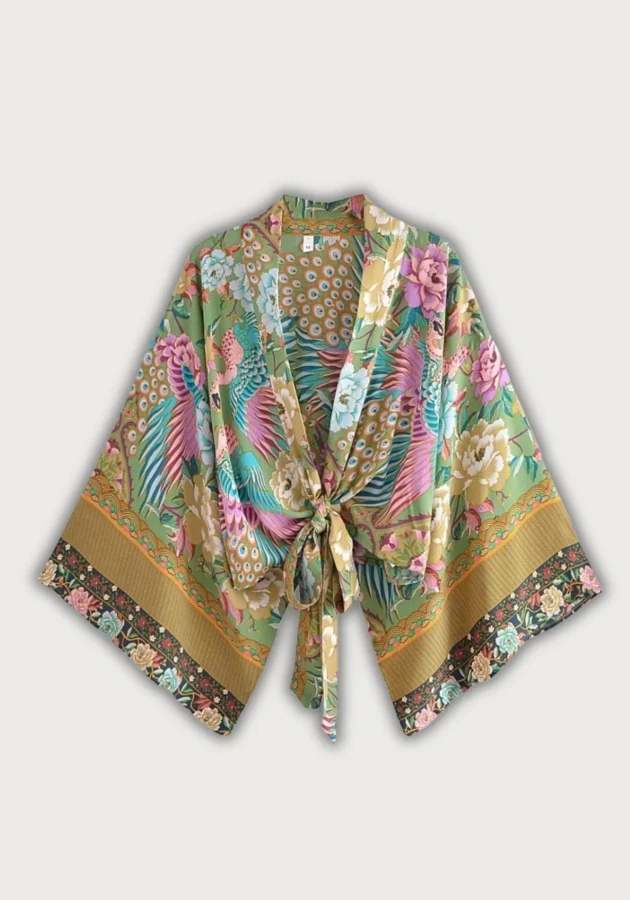
The Japanese kimono stands as one of the most identifiable traditional clothes in the world, having transcended its origins to become a symbol of elegance appreciated across countries. This astonishing evolution from a culturally specific garment to an internationally acclaimed fashion statement constitutes one of the most fascinating stories in the history of global style. The history of the Japanese kimono from the streets of Edo-period Japan to modern fashion runways globally illustrates how traditional apparel may adapt still keeping its basic character and cultural value.
The foundations of the Japanese kimono’s international appeal were formed during the late nineteenth century as Japan emerged from centuries of relative isolation. Following the Meiji Restoration in 1868, Japan began opening its doors to Western nations, and this cultural interchange operated in both directions. The West was captivated by Japanese aesthetics while Japan enthusiastically embraced Western technologies and traditions. The Japanese kimono became one of the most palpable and attractive manifestations of this newly accessible culture, enthralling European and American audiences with its distinctive form, elaborate patterns, and sumptuous fabrics.
The Japanese kimono first appeared in Western homes in the late Victorian era as exotic loungewear and dressing gowns rather than as daily wear. Wealthy Europeans and Americans acquired real clothes or commissioned Western copies that imitated the Japanese kimono’s trademark wide sleeves and straight-cut pattern. This initial adoption marked the beginning of the garment’s metamorphosis from solely traditional Japanese dress to an item with international appeal. The Japanese kimono’s loose, comfortable shape created a dramatic contrast to the restrictive corsets and rigid clothing that dominated Western fashion at the period, affording wearers a sense of freedom and relaxed elegance.
The aesthetic movement of the late nineteenth century greatly boosted the prestige of the Japanese kimono in Western culture. Artists, philosophers, and style innovators adopted Japanese art and design concepts, a phenomenon known as Japonisme. The Japanese kimono became a sign of creative elegance and cultural refinement, commonly appearing in paintings, photography, and artistic circles. The garment became more than just a piece of apparel thanks to its link with the avant-garde; it became a statement of aesthetic sensitivity and cultural awareness that connected with progressive aspects of Western civilisation.
The early twentieth century witnessed the Japanese kimono’s continuous growth within Western fashion surroundings. During the Art Deco period, designers drew inspiration from the garment’s geometric patterns, vibrant colour combinations, and innovative manufacturing techniques. The Japanese kimono’s influence may be seen in the straight, columnar silhouettes that typified 1920s design, as well as in the ornamental motifs that decorated evening clothing. Whilst these Western garments were not Japanese kimonos in the classic sense, they highlighted how deeply the original garment had infiltrated international design consciousness and affected modern aesthetics.
The post-war period added additional dimensions to the Japanese kimono’s global prominence. As foreign travel became more accessible and cultural interchange expanded, more Westerners met the Japanese kimono in its original environment. The garment’s symbolism expanded beyond mere exoticism to signify a profound artistic philosophy founded in generations of refinement. The Japanese kimono came to reflect notions of thoughtful workmanship, seasonal awareness, and the integration of art into daily life—values that increasingly appealed to individuals seeking alternatives to mass production and disposable fashion.
Throughout the 1960s and 1970s, the Japanese kimono enjoyed fresh attention as part of broader countercultural movements that looked to non-Western traditions for inspiration. The garment’s affiliation with Zen Buddhism, traditional crafts, and a slower, more thoughtful style to living fit perfectly with growing values questioning consumerism and seeking spiritual authenticity. Young people around the world began adding actual Japanese kimonos or kimono-inspired garments into their wardrobes, not only as fashion statements but as displays of philosophical connection with what they viewed as Eastern wisdom.
The luxury fashion sector has played a significant role in maintaining and elevating the Japanese kimono’s international prestige. High-end designers have often returned to the Japanese kimono as a source of inspiration, reinterpreting its aspects in contemporary designs. Sustainable fashion practices have been impacted by the garment’s fabrication methods, especially its use of flat pattern-making and little trimming. The Japanese kimono’s traditional emphasis on fabric quality over garment construction has resonated with movements prioritising workmanship and longevity over quick fashion’s disposability.
Contemporary fashion has embraced the Japanese kimono in more diversified ways. The garment appears in current wardrobes as vintage collectibles, contemporary reinterpretations, and hybrid styles that merge traditional Japanese kimono elements with Western tailoring. Fashion fans worldwide admire how the Japanese kimono can be styled in many ways, layered over modern apparel, or worn as a standout item. This adaptability has ensured the garment’s relevance across changing fashion trends and various personal styles.
The Japanese kimono’s global voyage has also prompted significant questions about cultural appropriation, respect, and real appreciation. As the garment has been popularised internationally, questions have emerged concerning the difference between genuine cultural exchange and superficial appropriation. These conversations have, paradoxically, deepened many people’s enthusiasm for the Japanese kimono by encouraging them to learn about its cultural significance, proper wearing procedures, and the traditions it represents. This growing cultural understanding has promoted more thoughtful involvement with the Japanese kimono as both a fashion item and a cultural asset.
Social media and digital connectivity have presented the Japanese kimono to unprecedented worldwide audiences. Enthusiasts exchange photographs of vintage treasures, styling ideas, and information about traditional patterns and their meanings. Online groups dedicated to the Japanese kimono have arisen across continents, connecting people who share enthusiasm for the garment regardless of their cultural backgrounds. This internet era has democratised access to knowledge about the Japanese kimono and providing new markets for both traditional and contemporary variants of the garment.
The Japanese kimono’s impact extends beyond garments into larger design domains. Interior designers employ kimono textiles into home décor, whilst graphic designers draw upon traditional kimono motifs for contemporary applications. The garment’s aesthetic principles—its use of negative space, asymmetrical balance, and seasonal motifs—have impacted design thinking across numerous disciplines. The Japanese kimono thus operates as more than garments; it serves as a repository of design wisdom that continues inspiring creative activity globally.
Educational activities and cultural exchange programmes have contributed substantially to the Japanese kimono’s international acceptance. Exhibitions examining the garment’s production, history, and cultural importance are frequently held in museums across the globe. These displays enlighten audiences to the Japanese kimono’s intricacies, from the symbolism inherent in varied patterns to the societal implications expressed by colour choices and wearing practices. Such educational efforts have changed casual interest into educated appreciation, establishing groups of expert fans who comprehend the Japanese kimono’s depth beyond its superficial beauty.
The future of the Japanese kimono in worldwide fashion appears safe, though always altering. Contemporary designers in Japan and globally continue exploring creative ways to rework the Japanese kimono for modern situations but honouring its traditional core. Young people in Japan increasingly respect the Japanese kimono not simply as ceremonial apparel but as a living tradition capable of contemporary expression. This revived local interest, along with ongoing foreign intrigue, guarantees the Japanese kimono stays important in global fashion conversation.
The story of how the Japanese kimono became a worldwide style sensation highlights fashion’s potential to transcend cultural barriers despite keeping distinctive personality. From its nineteenth-century introduction to Western audiences through its contemporary status as both traditional garment and fashion inspiration, the Japanese kimono has navigated the tricky terrain between cultural identity and universal appeal. Its voyage is a reflection of larger trends in globalisation, cross-cultural interaction, and the continuous debate between innovation and tradition that defines modern fashion.