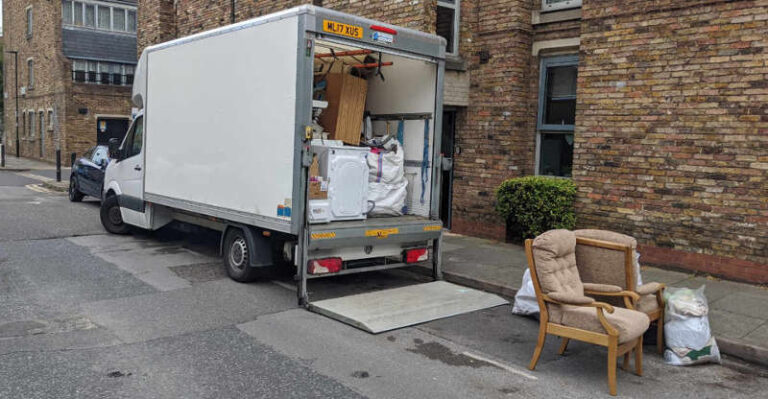






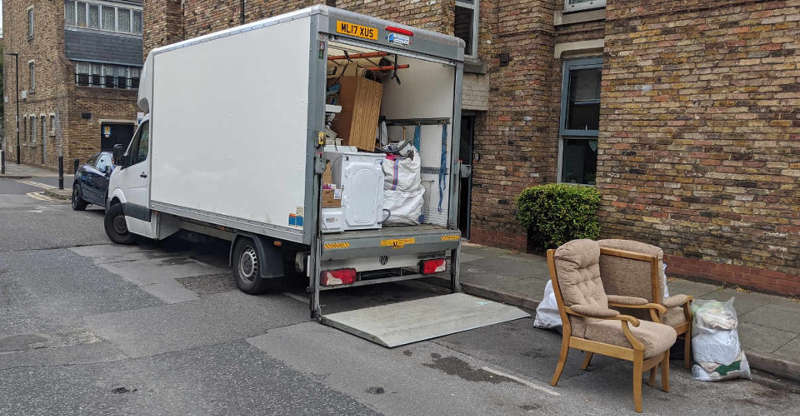
House clearances can feel overwhelming, but a planned, informed approach makes them straightforward and cost-effective. For Wrexham homeowners, landlords and tradespeople, careful preparation shapes the timetable, controls costs and ensures that unwanted items are dealt with responsibly.
Start by clarifying what you need removed and why: are you decluttering before a sale, clearing a tenancy, completing a renovation or simply reclaiming garden space? Defining the objective helps you prioritise which rooms or areas to tackle first, and whether specialist handling will be required for heavy furniture, white goods or construction rubble.
It also pays to be realistic about access and manpower. Some clearances are simple front-door collections, while others need teams to carry items down narrow stairs or from a back garden. Noting access restrictions, parking availability and any tight turnings on your approach can save time on the day and reduce the chance of additional charges.
When you compare options, check for key service elements: licensed waste carriage, full insurance, loading included and transparent paperwork. A reputable operator will prioritise reuse and recycling where possible and provide a waste transfer note after collection, confirming the materials have been taken to licensed facilities.
If you are at the stage of arranging a Wrexham house clearance, practical steps such as photographing items, listing bulky pieces and noting any hazardous materials will help the provider give an accurate, no-obligation quotation and agree a sensible collection slot.
Free quotes and flexible collections (including same-day or next-day options subject to availability) remove much of the stress, but remember that some materials cannot be accepted by standard clearance teams—so always disclose unusual or potentially hazardous items in advance.
Plan Your Clearance: an Organised Approach
Treat a clearance like a small project. Break it into phases: assessment, sorting, booking and final collection. Assessment is the time to walk through every room and identify what stays, what goes and what might be reused or sold. Sorting follows naturally: create piles for ‘keep’, ‘sell/donate’, ‘recycle’ and ‘dispose’.
Inventory and Priorities
An itemised inventory speeds up quotations and prevents surprises. Note large furniture (wardrobes, sofas), appliances (washing machines, fridges), and any garden or construction debris. Prioritise rooms by urgency—kitchens and communal areas often need attention first for landlords or sellers—then move to garages and sheds where clutter accumulates unnoticed.
Photographs are especially helpful when describing items to a clearance company: they provide visual context for size, condition and access which can influence the price and the number of operatives required.
Timing and Scheduling Collections
Booking a collection at the right time matters. If you have a fixed completion date for a sale or tenancy, allow a small buffer for unexpected delays. For renovation projects, schedule regular collections to remove rubble and waste as work progresses, rather than leaving large amounts to a final clear-out.
Local clearance firms often offer flexible slots; early mornings or midweek collections may be less busy and easier for parking. If you need a quick turnaround, discuss same-day or next-day availability when you request the quote—being ready to load on short notice will help secure a rapid appointment.
Handling Bulky and Specialist Items
Bulky furniture and appliances need careful handling. A competent clearance team will provide manpower to lift and load, protecting floors and doorways as necessary. For white goods, disconnect and secure loose parts where possible; for mattresses and sofas, ensure any coverings are in reasonable condition before collection.
Certain items require specialist disposal or are excluded from standard clearances: asbestos, paints, oils, fuels, chemicals, gas bottles and clinical waste are commonly refused. If you suspect an item is regulated or hazardous, discuss it in advance so the provider can advise or arrange an alternative solution.
Responsible Disposal and Paperwork
Responsible clearances prioritise reuse and recycling. Good operators will separate salvageable items for donation, take recyclable materials to appropriate facilities and dispose of the remainder at licensed sites. For commercial clients and landlords, the waste transfer note is an important legal record; it documents the chain of custody and shows that waste has been handled correctly.
Ask the clearance company how they manage items destined for reuse. Many local charities and community groups welcome furniture and appliances in reusable condition; by diverting these items you reduce landfill and may help others in the community.
Local Teams, Local Knowledge
Using a local clearance service brings practical advantages. Teams familiar with Wrexham and nearby towns understand local access quirks, council disposal points and recycling centres. They can often identify opportunities to divert items from waste to reuse quickly, and short travel distances can mean faster, more flexible collection windows.
Local providers also tend to offer personalised service: on-site assessments, clear communication about pricing and the inclusion of loading in the quoted fee. Confirm insurance cover and waste carrier registration when you book, and ask whether a waste transfer note will be supplied after collection.
Practical Checklist Before Collection
Use this concise checklist to ensure the day runs smoothly:
Confirm the appointment time, parking and access details with the clearance team.
Label or separate items you want to keep, donate or recycle.
Photograph large items and any narrow access points to share with the provider.
Secure loose items and remove small valuables from the clearance area.
Tell the team about any excluded or hazardous materials in advance.
Costs, Quotes and Value Considerations
Costs vary with the volume and type of waste, access complexity and whether items can be salvaged for reuse. A transparent provider will offer a free, no-obligation quote based on your inventory and photographs. When comparing quotes, consider what is included—loading, transport, disposal and paperwork—as well as any potential additional charges for exceptionally heavy or awkward items.
Occasionally, items of value can offset part of the cost if a clearance company is able to resell or donate them. Discuss whether salvageable furniture or appliances might reduce the final price; a local team with good charity links or resale channels can often make the most of reusable items.
Who Benefits Most from a Planned Clearance?
Different customers have different needs: homeowners reclaiming space benefit from staged clearances that avoid disruption; landlords preparing a property for re-letting need efficient turnarounds and documentation; tradespeople clearing building debris require prompt, regular collections to keep projects moving. Planning ahead lets each of these groups match the clearance service to their timetable and budget.
For example, a homeowner renovating a kitchen may arrange fortnightly rubble and waste collections to keep the work area clear, while a landlord completing a tenancy changeover will prioritise a single, rapid clearance with proof of disposal for compliance.
Practical Next Steps
Begin by making a simple inventory and taking photographs of the areas to be cleared. Contact a local, licensed clearance team with that information to receive an accurate quote and proposed schedule. Be candid about access, hazardous items and any timing constraints so the provider can plan an appropriate number of operatives and the right vehicle.
Planned, informed choices reduce stress, control costs and improve environmental outcomes. A little preparation—clear priorities, timely information and realistic scheduling—transforms a house clearance from a last-minute scramble into a manageable, efficient process that reclaims space and returns properties to use.
Get in Touch:
Apex Waste & Clearances
12 Ffordd Kayton, Wrexham LL14 3RB
07808 022813
apexclearances.com