






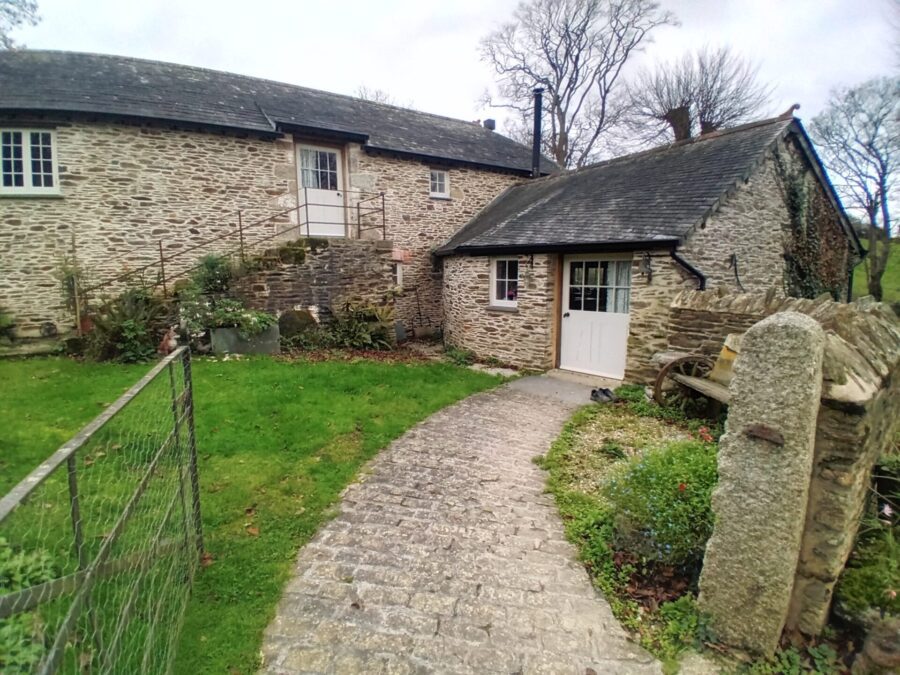
One of life’s greatest blessings is owning a historic home. The stone walls of your property are more than just a structural element; they are a living testament to the craftsmanship, local geology, and the passage of centuries, regardless of whether it was built in the Georgian, Victorian, or earlier periods of British history. However, despite their seeming durability, those same walls are actually quite weak. Even the strongest period property can degrade in ways that are expensive and, in certain situations, irreversible if adequate upkeep and prompt stone wall repair are neglected.
Any period homeowner who wants to maintain the integrity, character, and worth of their house for many years to come must understand why stone walls require maintenance and how to do it.
Why Stone Walls Are Particularly Dangerous
Stone walls were meant to last, and they have by all accounts. Even though many of the walls in British homes today were built without the aid of contemporary materials technology, they have withstood industrial pollution, wars, and the harsh British climate. However, one should not confuse their durability with invulnerability.
Traditionally, lime-based mortar was used to build stone walls; this type of mortar was specifically chosen for its breathability and flexibility. In addition to allowing moisture to pass through and evaporate rather than being trapped, lime mortar enables a wall to move somewhat with temperature changes. But this mortar erodes with time. The freeze-thaw cycle of winter weather starts to work its devastating magic, joints become hollow, and water intrusion starts. At this stage, stone wall repair becomes truly necessary rather than just advised.
Because cement mortar is far too hard and impermeable for traditional stonework, well-meaning former owners have exacerbated the situation in many period homes. Cement traps moisture inside the wall, hastening the stone’s own deterioration and resulting in the precise harm it was meant to stop. One important but absolutely essential component of complete stone wall repair is reversing this kind of interference.
Examining the Deterioration Signs
Half the fight is knowing when to take action. When issues are identified early on, stone wall restoration is easiest and least expensive. A period homeowner should keep an eye out for a number of indicators all year long.
The most evident sign that stone wall repair is overdue is crumbling or receding mortar joints. The mortar has lost its structural purpose if a coin or fingernail can fit more than a few millimetres into a joint. Interior wall stains and wet areas are frequently signs that moisture has seeped into the external stonework. In extreme circumstances, individual stones may start to spall, which causes their surface layers to flake away. This process permanently reduces the stones’ structural integrity and aesthetic appeal.
Another red flag is efflorescence, which is the white, powdery residue that occasionally forms on stone surfaces. It shows that water is carrying soluble salts through the wall and depositing them on the surface as the water evaporates. If left unchecked, this process gradually weakens the stone, and the longer it is put off, the more complicated expert stone wall repair becomes.
The Value of Using Appropriate Materials
Material compatibility is one of the most important factors in stone wall repair on a historic site. Any short-term savings can be greatly outweighed by the long-term harm caused by the desire to use whatever is most easily accessible. For most historic stone wall repair jobs in the UK, lime mortar—mixed to a specification that nearly resembles the original—remains the preferred material.
Lime mortar comes in a variety of forms, including hydraulic lime, non-hydraulic lime, and blended formulas. The best option is determined by the wall’s exposure, the kind of stone, and the local environment. Before committing to a comprehensive stone wall repair program, a professional in period property conservation would usually conduct a sample test and provide advice on the suitable mix.
When new stones are required, it is equally crucial that they originate from a reliable source. There may be additional stress points in the wall if a stone with a different density, porosity, or thermal expansion properties is added. Instead of treating the wall as a collection of discrete issues, responsible stone wall repair views the wall as an integrated system.
Professional Expertise’s Function
Stone wall repair on a historic building is a very other story, even though a self-assured and competent homeowner might be able to perform minor cosmetic pointing on a modern home. The necessary abilities include knowledge of historic construction methods, material science, and conservation concepts in addition to fundamental building knowledge.
Any stone wall repair project will start with a comprehensive survey by a skilled stonemason or conservation specialist, who will identify both the visible damage and the underlying reasons. If the underlying problem—a blocked drainage channel, an inadequately sealed window reveal, or a rising damp problem—is not fixed, there is little use in repointing a wall. Both diagnostic and remedial stone wall repair are effective.
In England, you could also need permission before making major stone wall repairs if your historic home is listed or located in a conservation area. A conservation officer or your local planning authority can offer guidance, and a seasoned contractor can help with paperwork and be knowledgeable about the consent procedure.
Seasonal Considerations and Ongoing Maintenance
When it comes to stone wall repair, timing is crucial. In order for lime mortar to fully cure, it must not be applied in freezing temperatures or over extended periods of rainy weather, as these conditions can hinder the mortar’s ability to reach its maximum strength. In the UK, the best seasons for exterior stone wall repair are often spring and early autumn, although a competent professional will be able to work with a variety of seasonal restrictions.
Ongoing maintenance is far easier and less expensive than the first intervention after stone wall repair is finished. An annual check enables minor joint erosion to be detected and fixed before water intrusion takes hold, ideally before winter arrives. Sensible precautions that extend the life of any stone wall repair work include keeping gutters clear, making sure ground drainage diverts water away from the base of walls, and pruning back any climbing plants that might be trapping moisture against the stonework.
Defending Values and Character
Beyond the merely structural justifications, there is a strong reason for spending money on expert stone wall repair just to maintain what makes a historic house so unique. Modern building techniques cannot match the texture, colour, and irregularity of hand-laid stonework. Every wall tells a tale about the hands that created it and the place from whence its materials came. It would be like losing something priceless if you let it deteriorate due to neglect.
A home that can show a history of expert stone wall repair and sympathetic conservation will command both greater interest and greater value than one that has been patched with incompatible materials or allowed to deteriorate. Prospective buyers of period properties are becoming more sophisticated in their understanding of what constitutes good maintenance.
Your historic home’s walls literally determine how long it will last. Investing in professional stone wall repair now is an act of stewardship as well as maintenance, guaranteeing that the structure you cherish will continue to stand with the same serene dignity for future generations.